It is Time We Saved Ukraine From Putin


We have a war that actually started in 2014 when Russia annexed Crimea and declared that is was their territory anyway. The war that started then continues today. Russian is now bombing civilian areas indiscretely. At some point the United States must say, enough is enough.

What we must do is go to Ukraine’s assistance by using specialized troops on the ground. Not a single troop needs to be infantry, rather they should be artillery and air defense artillery along we a wing of U.S. Air Force fighters.

Early in this conflict, Putin sabre rattled that he would use battlefield nukes and maybe more. He has a problem there and it is call MAD (Mutually Assured Destruction). That means we have just as much as he does, and this is not including the European countries. And if a single nuke gets used on the battlefield, it will be like 1943 where the U.S. was still building up its strength while winning battles everywhere.

To put a period on this type of action, we would have to declare India, Brasil, China, North Korea, and Russia as enemy combatants. Once we have unilaterally gone into battle, it would not take much for the rest of the NATO countries to join in, and for Russia, that is very bad. At that point Russia would have nothing to gain and everything to lose and just by the troop movements, there might be an immediate end of hostilities. NATO must stand strong and demand that Russia pull all its troops at least 200km from any non-Russian border. Not a single bullet shot by any NATO country but by putting up is enough to get Russian to shup up.

With the exception of Belarus, Russia has no friendly countries in the rest of Europe. When nearly the entirety of Europe lines up against you in a show of strength, you do nothing but admit defeat as the victor’s demands.

War In Europe?


I am calling upon my over 25 years of either being in the military and as a Federal Employee who worked closely with the U.S. Air Force. My active military service was entirely with the U.S. Army. When I first saw Russia invading Ukraine, I, like so many others, Putin included, felt this would be a short war with an ultimate Russian victory. It seems we underestimated the resolve of the Ukrainian people. It would also seem the Putin either has no sense of history or is ignorant of it. In 1940, the Soviet Union tried to invade Finland as it felt that country should naturally fall under Soviet control. They were wrong! In what is called “The Winter War,” the Finnish people initially defeated the Russian army which no one had expected. Finland only had what we today call a National Guard, no regular army troops. But as with Ukraine, the Soviet Union entirely underestimated the resolve of the Finns. Later, however, Russia did take over Finland.

I still think it unlikely that Ukraine will ultimately enjoy victory. The Russian army and its resources are just too vast. But one thing I have found surprising is the lack of command and control of the Russian forces. Command and control simply means how an army tactically attacks an enemy, First of all, Russia very poorly set up its logistics. That means how supplies are brought from its rear areas to its forward areas. This is an extremely important part of command and control. But it also shows how Russia has not allowed the ideas of modern warfare to exist within its military. That is, when I was in the military during the Soviet era, we knew that the Russian military was what is called “stove piped,” or that its military is ruled entirely from the very top straight down to its most elemental parts, the foot soldier. Soviet leadership did not allow for much in the way of command decision at the battalion level which in the American army is highly prized. This explains the sort of helter-skelter operation of the Russian military in Ukraine, the air forces do not talk to the army and the infantry does not talk to the artillery, etc.

This leads us to the situation presently in Ukraine. The city of Lviv has just endured its first attack by Russian missiles. Lviv is extremely close to the Polish border which we have all become acquainted with through news reports. But this also brings back the idea of command and control. Will the top Russian militarists know to stop at the Polish border lacking other information? Or will it simply continue onward until told to stop? Or is Putin already scheming to attack Poland and tell his people it was NATO’s aggression that forced his hand? No one knows the mind of Putin which is a scary thought. But our military, since the Korean Conflict, has made it a priority to “war game” with the idea of having a nearly fully formulated idea of how to proceed in the event of any military engagement. Although I have no first-hand knowledge of this, I suspect that NATO has been doing this as well.

That said, we are left with three basic possibilities of the Russian aggression. First, Russia defeats Ukraine and ceases its attacks. Second, Russia either invades Poland, which it dearly desires, or it invades the Baltic Countries, and a conventional war is started. The third, and scariest, is that Russia uses battlefield nuclear arms to succeed. That of course can easily lead to a nuclear war, something no one, including Russia wants. But this is where the sanity of Putin comes into play. Make no doubt about it, Putin’s office which is called a “Presidency,” is a convenient cover for the dictatorship he has evolved. Putin has for a long time acted unilaterally and has never had a fear of cutting off the heads, figuratively, of anyone who opposes him.

It is my belief that Putin is using Ukraine as a testing ground for what he truly wants, a return to the Soviet iron curtain countries of pre-1990. That would include Hungary, Romania, Poland, Lithuania, Estonia, Latvia and other countries. Our best hope is that he realizes that his military is hardly prepared to take on such a heady task and will stop with Ukraine. But if he does engage NATO, I have every confidence that NATO will reign supreme in the end and that Putin will be arrested and brought to task, with his sycophants, to answer for the war crimes he has committed. But once again, the face of the world will greatly change.

Are We Headed For War?


George Santayana, “Those who do not remember the past are condemned to repeat it.” This haunting quote should be front and center in the United States today. But is it? I fear it is not, and that may exist at the highest part of our government.

As someone who is trained in U.S. History, I have in my knowledge the events which lead up to the U.S. involvement in World War 2. At that time the U.S. was very much of an isolationist stance among the general public. Those wars already in progress were so far away that there was no way we could, or should, have gotten involved. And yet we did!

Now I am not predicting a Pearl Harbor type situation arising. Fortunately, at the Pentagon level of current situations, the generals and admirals are always plotting a response to all perceived threats to the United States’ security. Europe, of course, is a high priority in that. But only 10 years ago, Russia was already starting a warlike stance. Our complete failure to realize Russia’s imperialistic adventurism allow Russia almost unfettered access to the Crimea which today is under Russian occupation. Former President Obama has admitted to that.

But first I need to go back over 30 years of military history. As was the case after the end of World War 1, the U.S. has steadily decreased it numbers of military servicemen. At first this was a good move. There were many no longer necessary military bases. The Vietnam War had ended, and our troop strength was greater than deemed necessary. I was still a part of the military at that time and saw this firsthand. In the early 1980s, the U.S. Army National Guard was in horrible shape. Many units were still using Korean War equipment. But a plan was afoot in our government to change that. In the ensuing years, the national guard was modernized and brought up to active military standards. But then the politicians turned on the military and started reducing the number and size of military units. For example, the 26th Infantry Division was decommissioned and changed to a brigade strength. That sort of action happened across the U.S. The entire Army National Guard has 336,000 troops today, along with 189,000 reservists backing up 481,000 active-duty personnel. With the exception of the Marine Corps, there has been a decline of about 40% troops strength since 1990! This should be alarming to all.

President Biden has repeated stated that the United States will not send in any troops to help defend the Ukraine. Is this the truth or just political speak? I think it is political speak because as I mentioned before, the Pentagon has for decades formed plans for all possible events.

It has been suggested by analysts that this Wednesday, February 16, 2022, Russia will invade the Ukraine! Is that a foregone conclusion? No! But it would be foolish to not prepare for such an eventuality. And if Russia does indeed invade, what will the U.S. due other than its threatened economic threats? All told, the Russian military has over 2.9 million troops while the Ukraine has 1.1 million. But Russia spends far more per soldier than does the Ukraine. That quite simply explains the U.S. sending military supplies to the Ukraine. In the eventuality that Russia does indeed invade the Ukraine at any date, what will the U.S. response be when the Ukraine asks NATO countries for troops? Can the U.S. and its allies simply say “no”? I do not think so but if we do, both sides are open to “unintended consequences.”

One possible unintended consequence is for Russia to use its nuclear capability on Eastern Europe. Russia fully understands the possible result of this and that is something called “MAD,” or Mutually Assured Destruction. A very appropriate acronym. I seriously doubt in that unintended consequence but the next is very much more likely and that is NATO powers and Russia and its allies being drawn into a full-scale war. Russia’s most important ally is China. China has 2.8 million troops! As much as I think it unlikely that China would respond to a Russian request for troops, it is certain not out of the realm of possibilities. And to put that into perspective, all of NATO has 2.2 million troops. The U.S. Army has 10 active military divisions which totals about 200,000 troops. But the U.S. has only once sent in all of its divisions, World War 2.

The point of all this is how tenuous our military strength is and how we have planned our defensive posture in Europe. Without U.S. and NATO intervention, Russia could easily overwhelm the Ukraine. And if that happens, what of the other Eastern European Countries, former Soviet Satellites? Even though we have some troops in each of these countries, we are hardly in a condition to properly respond militarily to any Russian provocation.

Finally, in addition to reconsidering the size of our military, the U.S. public needs to consider the possibility that Russia, under Putin’s dictatorship, is considering regaining control of Eastern Europe. The Ukraine may be nothing more than a ploy to test NATO’s response to its adventurism.

The New American Xenophobia


Xenophobe n. One who fears or hates strangers or foreigners or anything that is foreign. (Webster’s II New Riverside University Dictionary, 1988, p. 1332)

At the beginning of the 20th Century American immigration laws were few. An immigrant had to have on his person $50, a named sponsor to take him in, be free of disease or mental defect, and have no criminal record. Americans today view all immigrants of that time coming through Ellis Island New York. But in truth, the ports of Boston and Baltimore were also quite alive with immigrants.

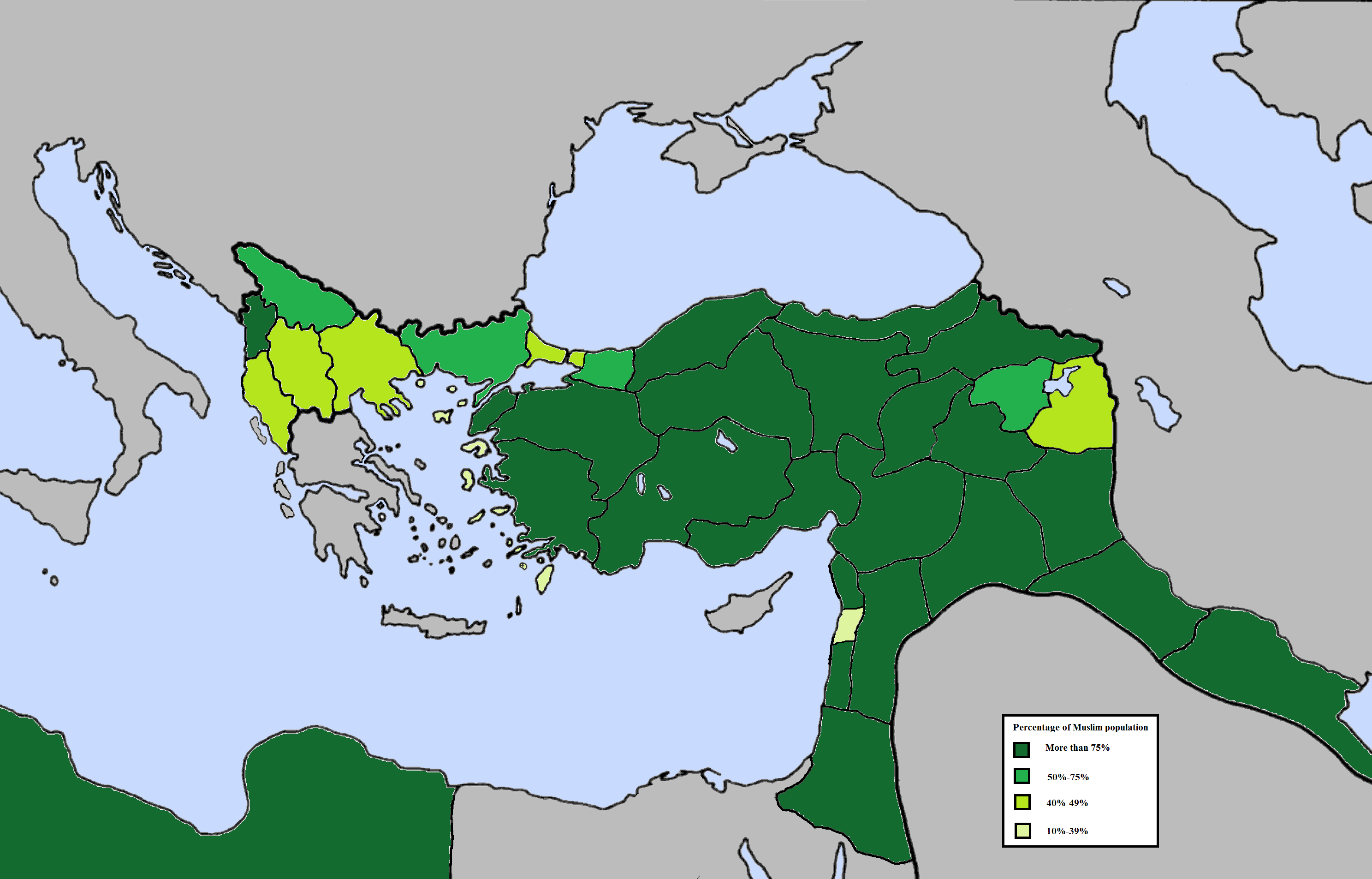
Europe during the period 1900 to 1915 was fraught with civil wars, unrest, and an Ottoman Empire which was at war with Great Britain. As can be seen by the map below, the Ottoman Empire covered most of the Baltic countries and large portions of the middle east. It is also worthy of mention that this was a Moslem Empire which Christian Europe feared. In Eastern Europe, Russia was flexing its influence as it held onto much of the territory it controlled when it became the USSR. In particular, it controlled most of Poland as we know it today. In 1905 the Czar ordered that all Polish men of a certain age be drafted into the Russian Army. Those who refused realized harsh consequences.

Muslim_population_Ottoman_Empire_vilayets_provinces_1906_1907_census

Ottoman Empire 1905


1_Russian-growth-1801-1914

Russian Czarist Empire


In the case of Italy, the country’s industrial north did not offer enough employment for Italy’s labor force. The Italian tendency towards large families made for an excess labor force. The excess labor force could find work neither on the farm nor in Italy’s factories, hence they looked towards America where, they heard, there existed a need for more labor. They also heard, falsely of course, that such labor, even though unskilled, was well-paid.

The social, economic and political unrest of much of Europe lead to its radicalization. Some were of the new socialism as outlined by Karl Marx and practiced by Trotsky and Lenin prior to the revolution. Conversely, Fascism arose out of Europe’s aristocracy against the growing socialist ideals. The common man found himself caught between the two groups in Europe with no place to run, except America.

The overwhelming majority of immigrants to America in the early 20th century were people coming from extreme poverty. They were indeed a cross-section of Europe embracing every type of religious, political and social belief. And as with any cross-section, among them were the anarchists and others who would prove troublesome to the established American public.

The epicenter of American radicalism in those days was in the small boarding house rooms of Greenwich Village. They were a small but vocal group who advocated the overthrow of the wealthy, the industrialists, and the powerful politicians by any means possible. Names like Emma Goldman, Edna St. Vincent Millay, Margaret Sanger, and John Reed seemed to most Americans to be the ones originating most of America’s radical troubles, but as with many things, the truth was something quite different.

When Leon Czolgosz assassinated President William McKinley, William “Big Bill” Haywood, Emma Goldman was extremely vocal in her opposition to violence as a tool of the anarchists. Margaret Sanger attended many anarchists meetings in Greenwich Village, but her purpose was to gain support for her settlement house in the lower east side and in getting aid for single mothers. John Reed was a journalist who was more interested in reporting on the anarchists, though he did agree with their views, the partaking in their political actions. Big Bill Haywood was an organizer for the Industrial Workers of the World, a socialist union whose prime member was the unskilled laborer. But in 1907 Haywood had been tried for murder in Idaho. Haywood was innocent of the charge, a charge that had been trumped up simply because local politicians hated him, and found innocent after his trial. But he could not shake being labeled as a murder and his presence always brought trepidation to any community he visited.

People like Haywood and Sanger took on the cause of the immigrant and were closely associated with the various new immigrant groups. When a strike broke out in Lawrence Massachusetts in 1912, Big Bill visited the city and both city and state leadership felt certain that riots and all sorts of violence were sure to follow. Again, the truth is far different. Haywood spent very little time in Lawrence and focused his energies on raising funds for the strikers in other parts of New England. He actually had no interest in being a part of the strike save the role of fund-raiser. But then dynamite was found at a house in North Lawrence and everyone was certain that the IWW and Big Bill were somehow behind it. A few days later it was discovered that William Wood, a mill owner, had planted the dynamite in an effort to discredit the efforts of the IWW to win the strike.

What in common between the events of the early 20th Century and those of this presidential campaign, is Donald Trump’s use of fear and xenophobia to activate an American public. Fear is common to all human beings and has been used to exploit people throughout the ages. Because we are in the middle of Trump’s plotting it can be hard to gain perspective, but it is perspective that will save us from foolish beliefs and even more foolish moves.

The immigrant is the life blood of America and their introduction into our country makes us stronger. And while it is true that there are elements in those immigrants who would do America harm, we are more than strong enough to survive their worst. Unlike much of the world, our country thrives upon its diversity. Our Constitution guarantees that diversity cannot be used against us.   And the words at the base of the Statue of Liberty bear remembering, Give me your tired, your poor, your huddled masses yearning to breathe free, the wretched refuse of your teeming shore. Send these, the homeless, tempest-tossed to me, I lift my lamp beside the golden door!”

Amen!

Crisis in the Urkraine — Part 2


Depending upon who you ask, the Crimea is either still a part of the Ukraine or a part of Russia.  Fortunately the events which brought about this situation all happened in the past 6 months meaning they should all be fresh in everyone’s mind.  It started with the Ukrainian people toppling their pro-Russian President and replacing him with a popular official.  This unrest within the Ukraine gave President Putin all the ammunition he needed to stir up a little trouble in Crimea, and that he did.  And just to put a sharp point on his intensions, he sent thousands of Russian troops to the area.  He was obviously provoking the government of the Ukraine into doing something aggressive.  But he was also offering solace to the large population of Russians who live in Crimea.  The message being, “Feel safe.  We are here for  you.”  It did not matter to him that any incursi0n on the sovereign soil of the Ukraine was an act of war, regardless of the vote the Crimean parliament took.  Crimea was, and is, the lawful territory of the Ukrainian people.  Putin has snubbed his nose at a country’s right to sovereignty by placing his troops on the Ukrainian military compounds while running out the Ukrainian troops.  He is daring the Ukrainian government, and anyone else, to do something about it.

The U.S. response to all this was to first put sanctions of many Russian businessmen who do business in the U.S.  Then they made a number of Russian diplomats persona non grata who were ordered to leave the U.S.  And finally, we are sending troops to Lithuania and the Ukraine.  It would not surprise me that troops will be placed in Poland as well.  The Ukraine is not a part of NATO however it borders countries which are to include Poland, Lithuania, Latvia, and Turkey, all of whom have a vested interest in maintaining peace in their sphere of influence.  And all, except Turkey, have no desire to once again fall under the rule of Moscow after they worked so hard to escape it.

One fear I have heard is that this could be the beginning of a whole new “cold war.”  I hope not but having armed camps along the Russian, Ukrainian, and Crimean borders certainly makes things look that way.  Is this Russia testing the waters to possibly re-occupying a country like Belarus?  Estonia? Latvia?  Putin has absolutely no good excuse for sending his troops into a foreign country regardless of what the residents of that area voted.  No only is it an act of aggression, but an unmistakable act of war.

But we in the U.S. have declared ourselves to be the ally of the Ukrainian people.  And to that end we must give them all the support, within reason, that they need.  This is a case, however, where war materials, along with adequate training are about as far as we should go.  This is not our war but the Ukrainians are our friends, and we must respect all their requests.

The only acceptable result is a total Russian withdrawal from Crimea.

Sophia’s Sunday — Part 2


The Andreotti’s had moved in next door to them early at the beginning of the previous summer.  Sophia’s father was suspicious of them.  He said he did not trust Italians but when pressed on the issue he could offer no cogent argument, only that it was “well-known” that Italians were not to be trusted.  When Sophia asked why, if that was the case, that it was all right for them to attend the Italian Catholic church down the street, her father had dismissed the question in a huff saying children should not question their parents.  He did that a lot when she brought up any subject which might be thought of as being uncomfortable.  While her mother was more pliable, she seldom went against what her husband proclaimed to be the truth.  And if you asked the question a second time, no matter how well you reworded it, he raised his voice a little higher until she recognized the fruitless nature of her inquiry.

Sophia reflected on her neighborhood that cold January morning.  That was unusual because she seldom had time for her own thoughts once she awoke to the new day.  This day, however, was not a usual day in any respect.  It was not just that it was a Sunday and no one worked on Sundays.  But that there was no prospect of work for anyone in the family for the foreseeable future, and that had trouble all of them.  They had suffered through times of low employment when one or two of the family was out of work.  But this time was different.  This time they were all out of work, food was low, money was lower, and the winter was just reaching its chilling heights.

Sophia reflected back to her life in Poland, just six short years ago.  They had been extremely poor then too, but they always had friends and family to help them through even the most difficult of times.  Now, most of her family surrounded her in this small apartment.  They had no actual relatives in the city, as they had claimed.  Her “uncle” had actually been an acquaintance of her father’s from Poland who had written to his brother.  That brother had talked rather glowingly of America and its promise.  Her father, a headstrong man, had always believed he deserved more than he had gotten, and this word of a better life in America had been virtually all he needed to hear.  Then, about a year before they left Poland, her father had seen a representative, from one of the American mills, talking to some men in Krakow, where he had gone to find some replacement tools for the farm.  The man had said how America longed for the Polish immigrant to work there, and that they were paid handsomely for their toil.  When her father had asked how much, the representative had instantly responded that they lived like kings.  The reference to royalty was met with amazement and disbelief, but it was a tale oft retold in many eastern and southern European towns.  He had heard such “gossip” before and dismissed it as idle talk, but here, right before him, was an American recruiting for those very mills and saying exactly what had before only been rumor.  It was all he needed.

But Sophia was comparing her small village in Poland with the city in which she now lived.  In Poland you knew everyone, and had an opinion about everyone.  Each person knew his place, and that place had a certain respect within the community.  Her father had been very well-respected for his extremely hard work at maintaining a good farm and for generously helping others in their time of need.  Now was their time of need, but here, in America, you knowledge of your neighbors was limited by where you went to church, where you worked, and most importantly, your ethnicity.  When they arrived it was thought they would be living in a Polish neighborhood in their new city.  But that had not been the case.  On her street alone along with the Polish were Italians, Russians, Scots, a few French Canadians, and Armenians.  Their backgrounds were about as diverse as one could imagine.  And their lack of a common native tongue further inhibited them.

When they first arrived they were introduced to their Polish neighbors, who numbered few, and were shown where they could buy their kielbasa, when they could afford it, turnips, cabbage, and get it on credit if need be.  They were also made aware of whom to avoid.  The Poles were always suspect of Russians even though they were of the same background.  You did not go to Warchovsky’s grocery because not only was he a Russian but a Jew, and who could trust them.  That’s what they were told at least.  Sophia had learned much of her English for a Polish Jew who told her that they were not so different from the Russian Jews, so how could that be bad.  Sophia had found work quickly in the closest mill as a mender, one of the better paying jobs, and a job generally assigned to just women.  The women at her mill, mostly Polish but some Italians, were given to gossiping about everything but as she listened Sophia learned that the old world mistrusts did not translate well in this new world, and most importantly, that they were “all in it together,” whatever that meant.  It did not take her long to find out that it meant it was them against the floor bosses who assigned work.  If you did not please such a boss, you might find yourself being laid off and another taking you place in just a day.

At that moment Sophia noticed the emptiness of her stomach.  It ached.  She knew breakfast would be some bread covered with molasses.  It was not very filling but it took the edge off her hunger.  When they had first arrived Sophia and her family looked like well-fed country stock.  She had been a bit of a big girl back then but the constant battle against hunger had depleted her body that it seemed to her she was forever taking in her dresses just so they would fit better.  Sophia had been a seamstress in Poland when they left, and her clothing had been relatively new and always in good condition.  That had all changed, and many was the day that she was simply choosing between the least threadbare garments she owned.  And winter only made things worst. Her one overcoat, though made of wool, failed to keep out the cold for any length of time.  They few times she had had to work across the river at a more distant mill in the winter, she had wished she had the five cent trolley fare.  By the time she made it to work, even when she rushed as best she could, she was always shivering.

As she thought of breakfast she longed for the days when her mother’s fesh-baked bapke and fruit pierogi started her day.  They had enjoyed none of that since they arrived in America.  And their was no Polish baker to provide their favorites.  Mostly the grocers and bakers were Italian and Syian.  But her father had assured her that their present condition, six years previous, was merely temporary, and that soon her mother would be making “babci’s” (grandmother) favorites.  She longed for her babci but knew she would probably never see her again.

At home, here in America, everyone still spoke only Polish.  Her brothers had all learned pretty good English, but her mother and father spoke very stilted, and heavily accented, English.  Her father, it seems to Sophia, was worst of all.  He had a stubborn streak a mile wide.  As much as he need to learn English, he resisted it so much that she frequently had to go with him when he needed to buy something in particular from someone who did not speak Polish.  Her father’s English was so bad that certain of the neighborhood men spoke poorly of him in his own presence without fear of his knowing what they were saying.  It was only Sohpia’s scornful looks that stopped such talk.  When her father noticed this he’d ask what had transpired, and to protect her father, Sophia had become very adept at making up a story to fit the situation so as not to upset her father.  She adored and idolized her father, though he made her crazy many times with his stubbornness and pronouncements.  When such things were talked about among other Polish people, they would universally agree that it was in their nature to be that way.  They were a proud people, and they let their pride show whenever the chance afforded them.  They all belongs to the Polish-American club down the street where these claims were justified on a regular basis.

America’s Disinterest in Classical Music


I just read a posting on Facebook that told of a man, Joshua Bell, a concert violinist, was placed in a Washington DC Metro station with a $3500 violin at rush hour as a test of how the general public would react.  After 45 minutes the Bell had been able to collect only $30 from 20 people.

The Washington Post who organized this asked the questions, “Do we perceive beauty? Do we stop to appreciate it? Do we recognize the talent in an unexpected context?”  Now this article is making the rounds and an indignant public is responding as if some sort of commentary on Americans in general has been made.  This is foolishness to the utmost.

Classical music is an acquired taste just as any sort of music is.  I do not believe it appeals to the majority of Americans.  I don’t think this is any sort of commentary on the average American other than American’s are mostly drawn to other sorts of music.  In the Washington Post test it is likely that the music drew only those people who both like and appreciate it.  If you hear something you do not find beautiful, regardless of what anyone else says, you are not going to take time to listen.  That is just human nature, and nothing more.
I think you will find a greater portion of Europeans who appreciate classic must than Americans but because it is a part of their culture as much as anything.  American music includes jazz, blues, country, blue grass, and rock and roll.  It is part of our identity.  You cannot go to Poland and expect to find blue music being played every weekend somewhere as you can in the U.S.  It is a very simple cultural thing.

Countries like Poland, Germany, France, Italy, and Russia have classical composers who are a part of their history.  As such, in any country where a famous classic artist was born, homage is given to them, airports, parks, and monuments have their name.  They are a regular part of the national dialogue.  With that comes a natural interest in the music they wrote, and with that what the music of their contemporaries was and sounded like.

I love classical music most likely because I heard it when I was young.  My father used to listen to it and that is probably where I came to enjoy it.  Since, I have immersed myself in my own sort of classical music appreciation.

What I think most Americans do not realize is how much classical music they are actually hearing in public, on television, and in the movies.  I would guess that a good 50% of the better movies have at least one piece of classical music in it.  Movie-makers usually understand it and use it as an important instrument in telling their story.

When I was a kid, most of the cartoons I watched were full of classical music.  Looney Tunes, Merrie Melodies, and others almost exclusively used it.  In one Bugs Bunny short, the makers used Mozart’s “Valkyries” in something of a form that it was meant to be presented.  In a twist they used Elmer Fudd as the tenor who sang “Kill the Wabbit” to Mozart’s music.

But even as someone who truly loves classical music, I am not certain I would have stopped to hear that violinist if he were playing something I did not find particularly appealing.  There is a lot of classical music that has the potential to appeal to a large portion of the American public, but there is also a portion that appeals only to classical music diehards, and that is just the sort of music this man may have been playing.  If you do not understand your audience, you cannot possibly appeal to them.  I wish more Americans liked classical music but I am not going to criticize them because they do not.

The follow is the link to the article I am referring to.  https://www.facebook.com/photo.php?fbid=396563050432534&set=a.254264747995699.63706.253054451450062&type=1&theater


The Beauty of Poland


Several years ago my wife and I had the good fortune to visit Poland.  It was, believe it or not, our alternative to going to Italy.  Italy was a little too expensive for our budget at the time so I came up with Poland.  My wife is Polish.

As it turned out, our visit there turned into one of the best vacations I have ever had.  If I get a chance, I will return there as there is much more we did not see even though we were there for a full two weeks.  I decided to share some of our pictures and encourage those of you considering a European destination to consider Poland.  It will surprise you.  Not only that, it is a lot easier on the pocketbook than most western European destinations.

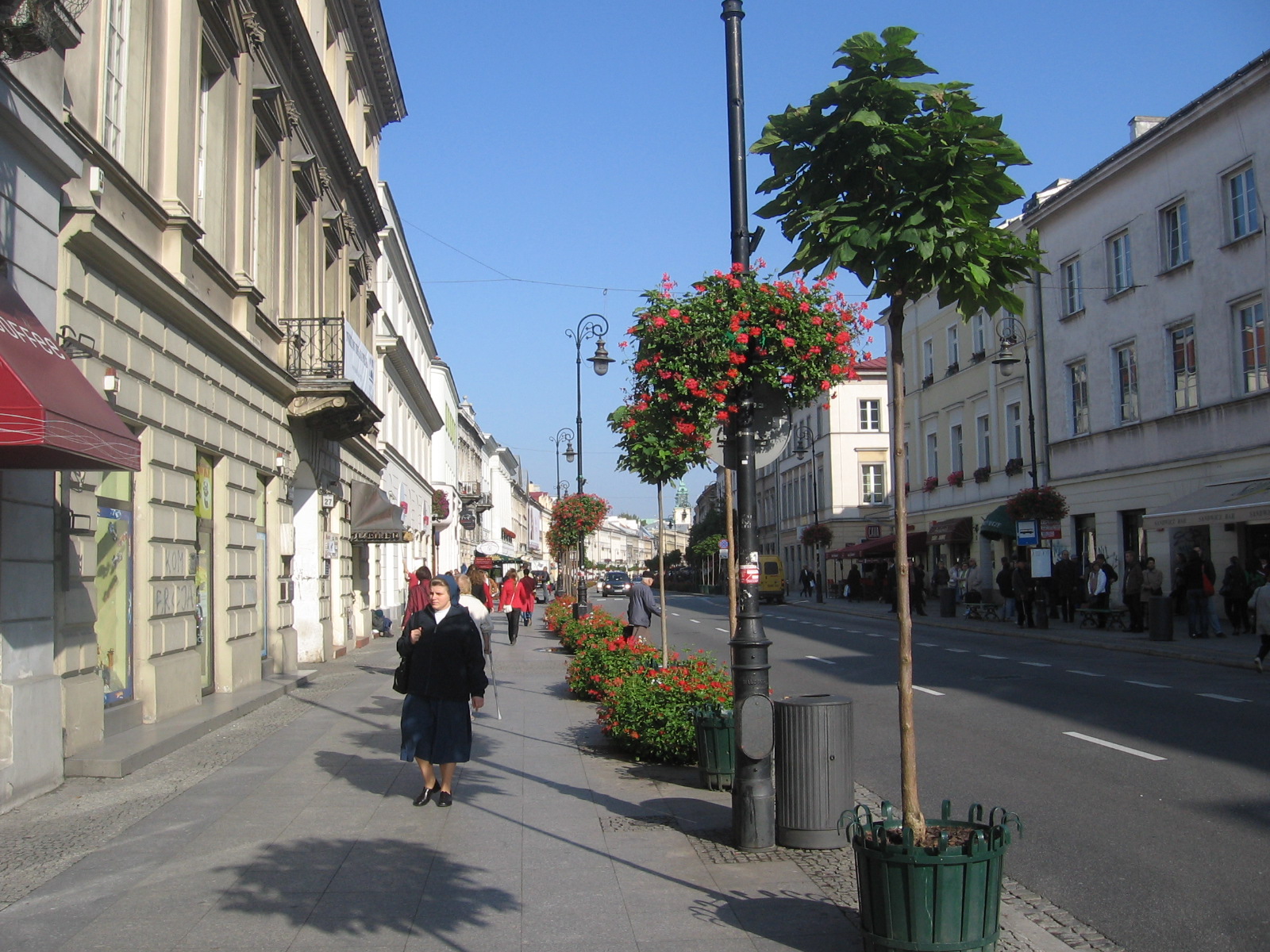
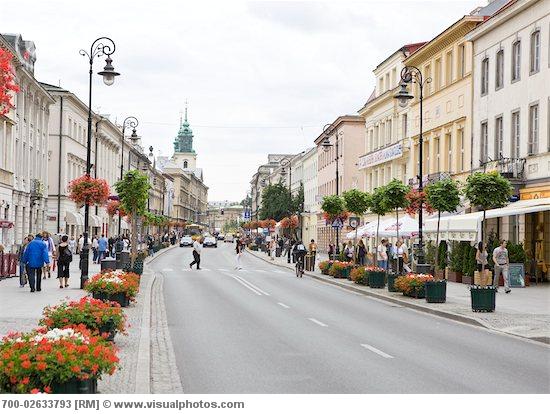
This is a picture of Nowy Swiat, a street in Warsaw and while it may look rather plain in this picture I want to point out how neat and clean it is.  This was commonplace on our trip there.

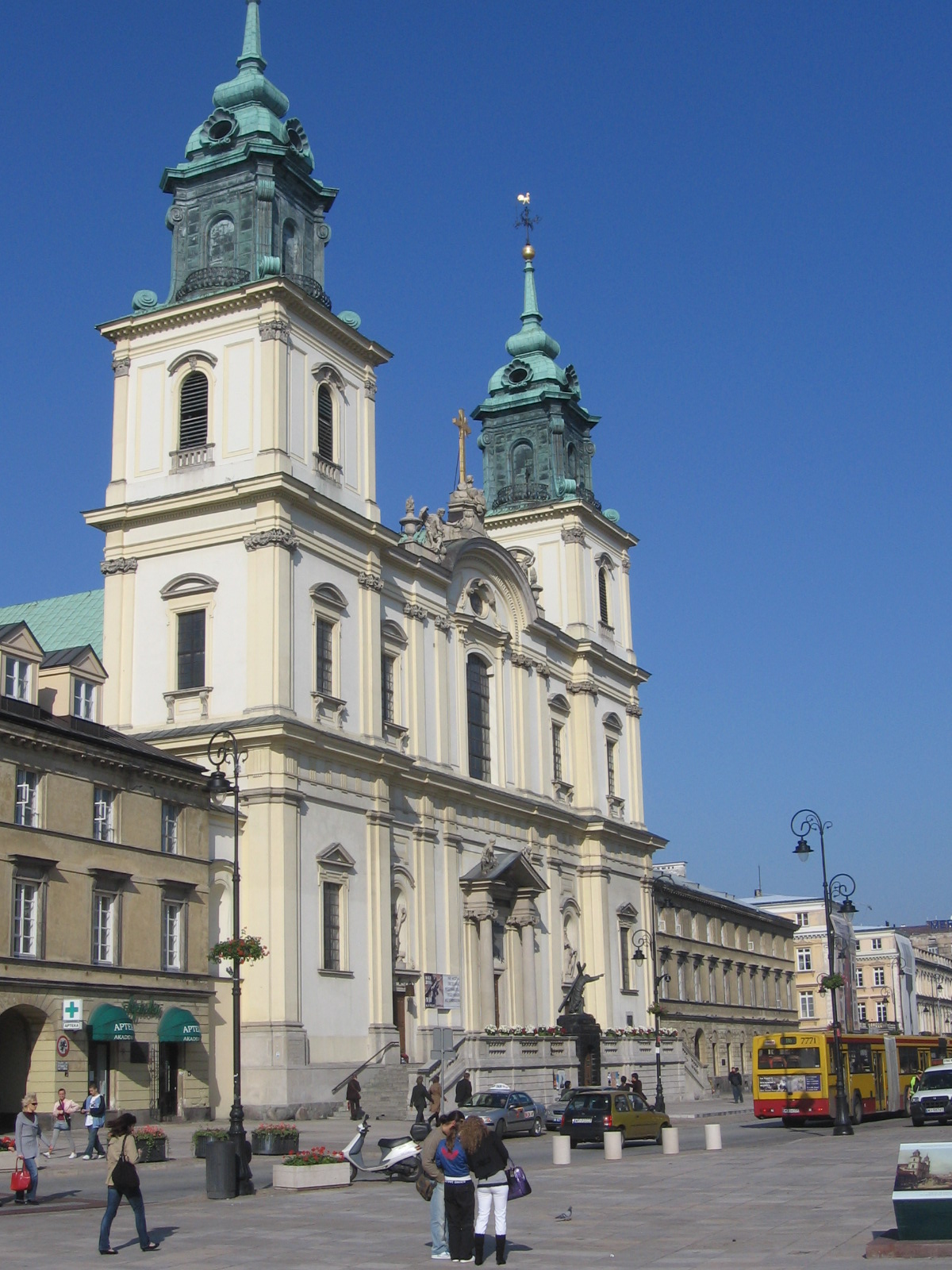
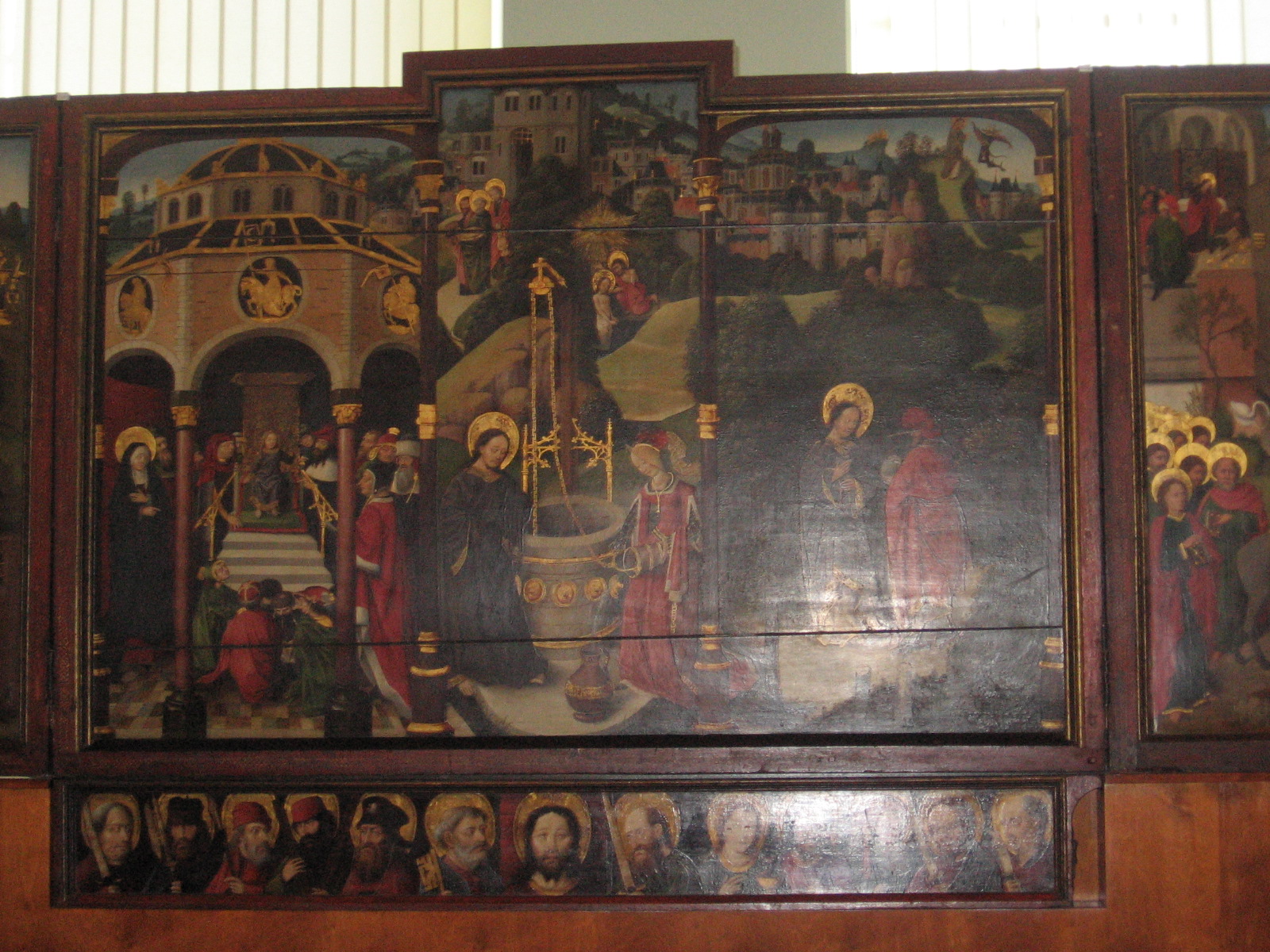
This church is a little way up on Nowy Swiat.  Its interior is very typical of Polish churches.  This view is actually rather plain compared to many other churches there.   The painting shown here is in the National Museum but it is typical of the kind of art that can be found in most Polish churches.

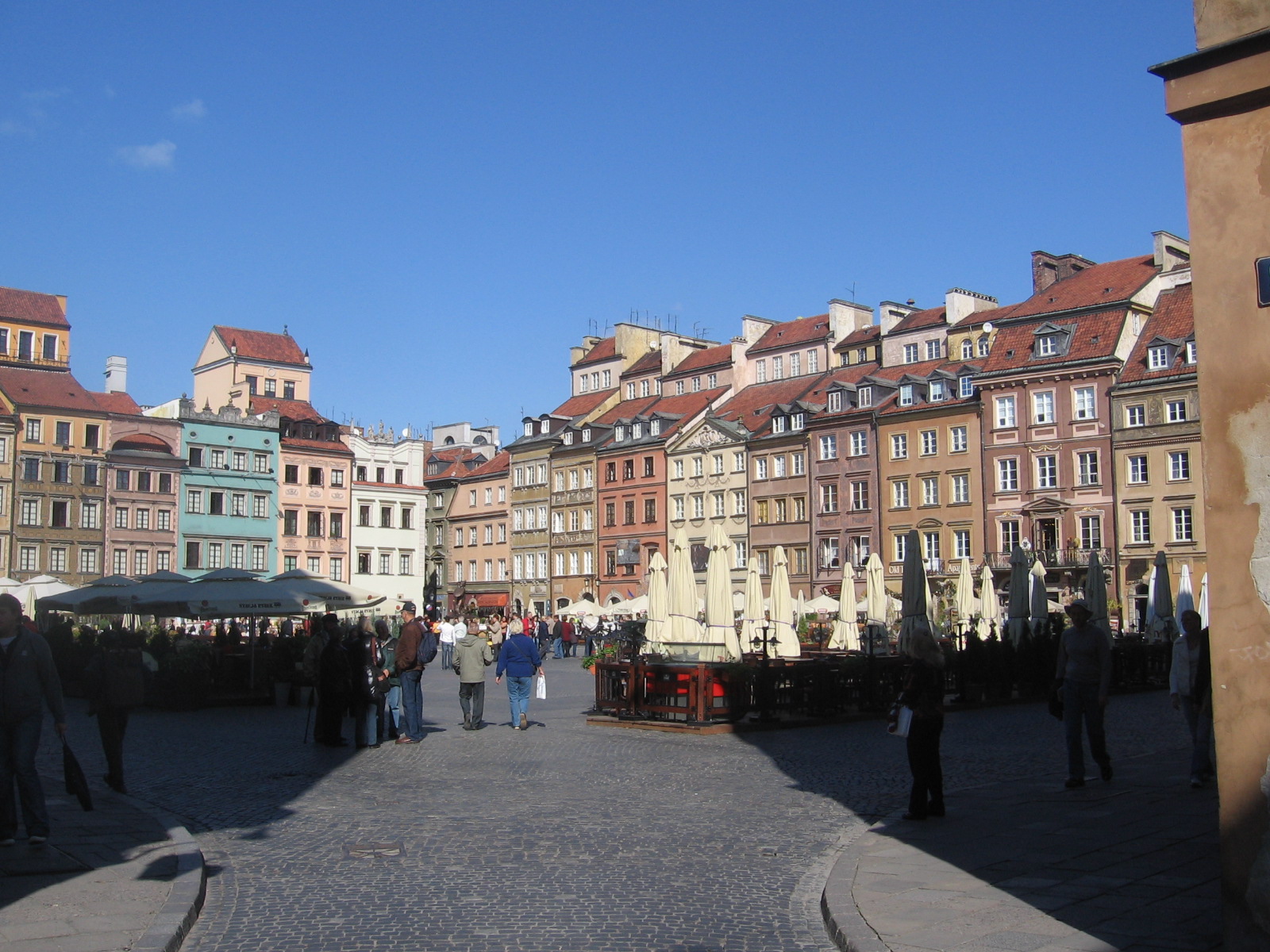
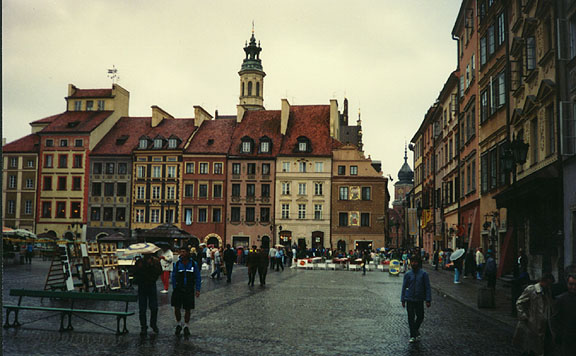
This is a picture of a square right next to the “old town” portion of Warsaw.  This particular square was totally destroyed during World War 2 but was rebuilt starting in the 1970s so that it is an exact replica of what the square looked like prior to its destruction.

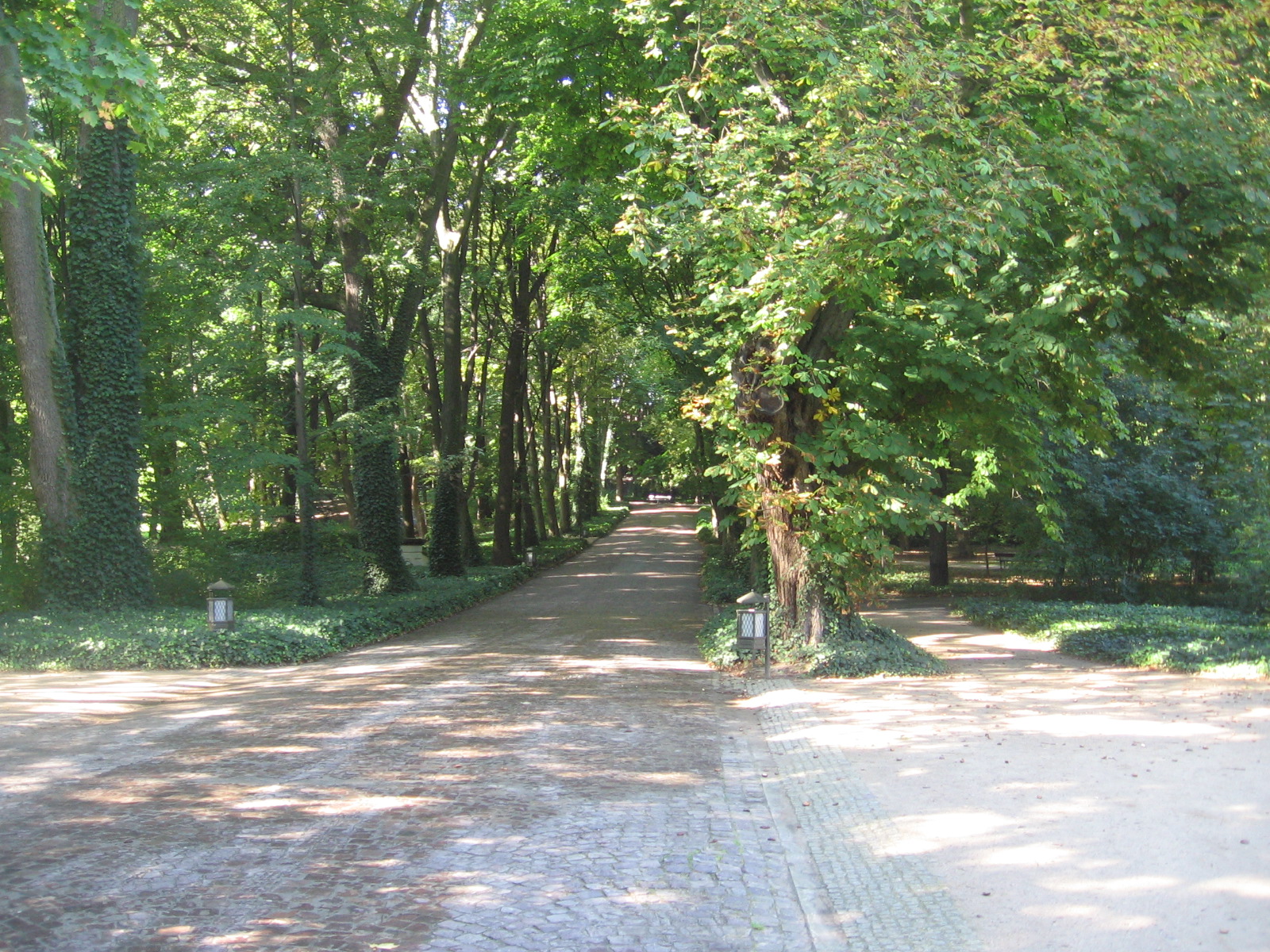
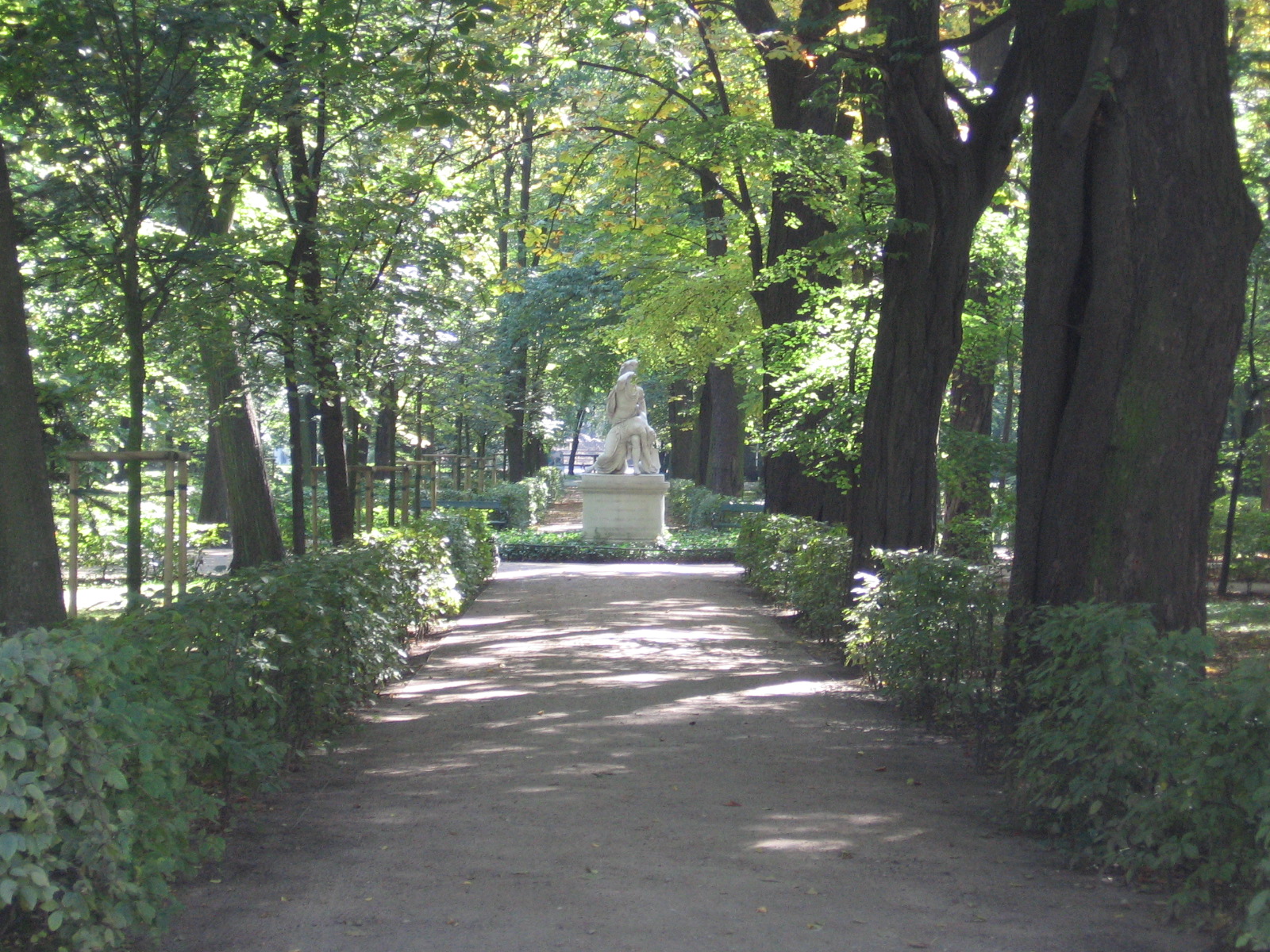
While this scene looks like it is part of the beautiful Polish countryside it is actually a park in the middle of the city.  Warsaw has many parks but this particular one is also the location of the old “summer palace.”

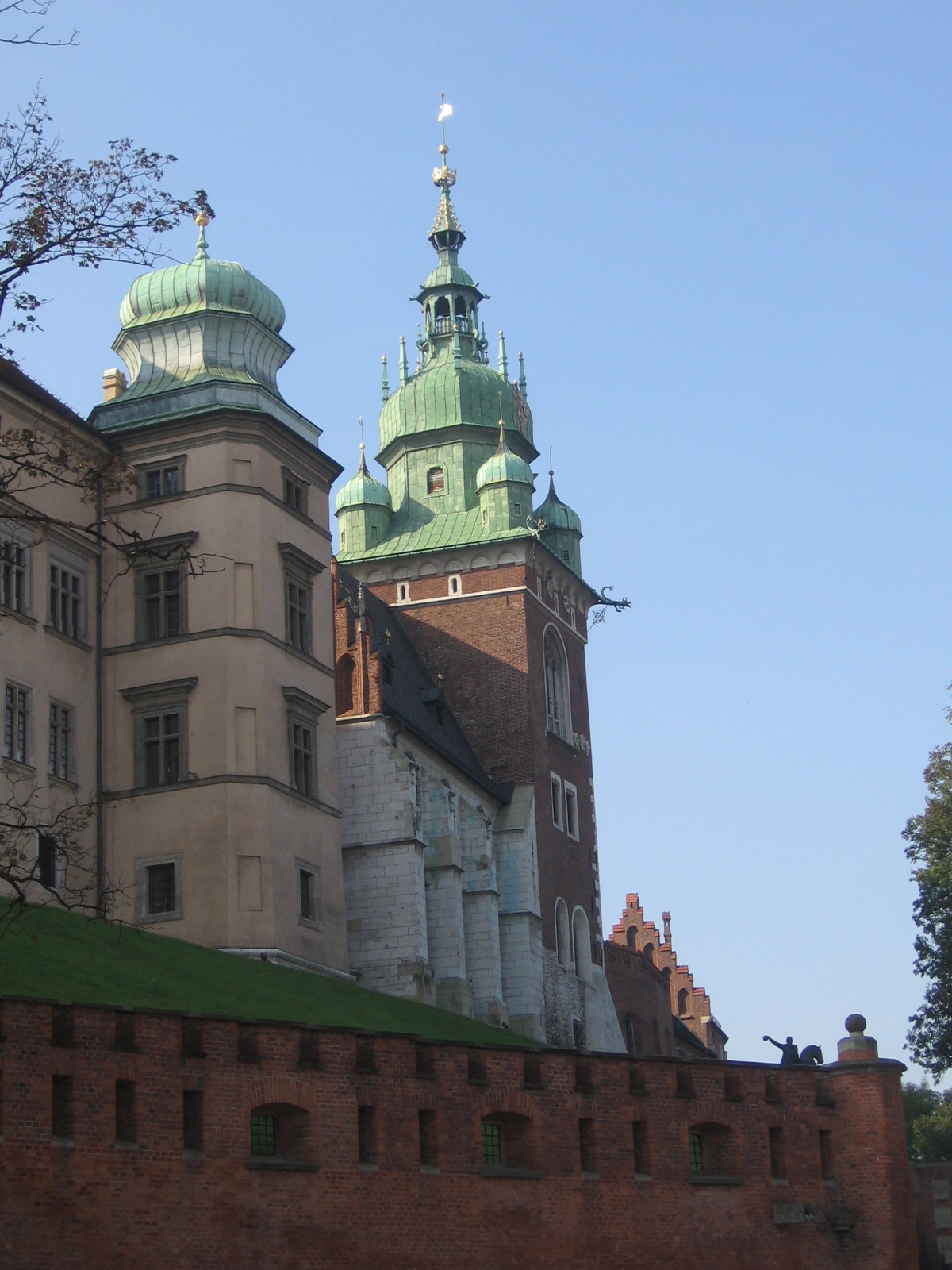
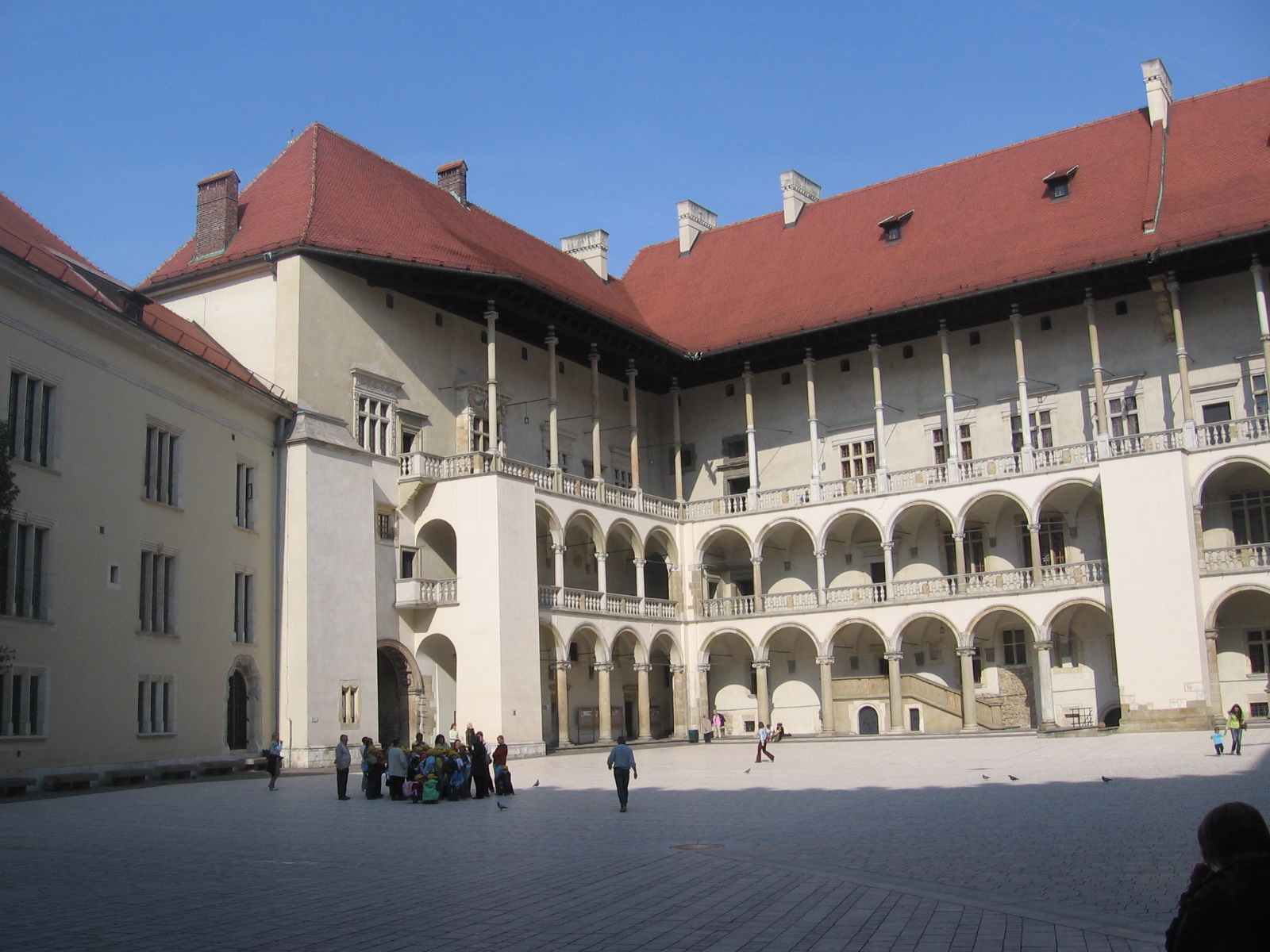
These are a couple of pictures of the Wawel Castle in Krakow.  It sits on the highest point in the city and was where the first monarchs of Poland sat.

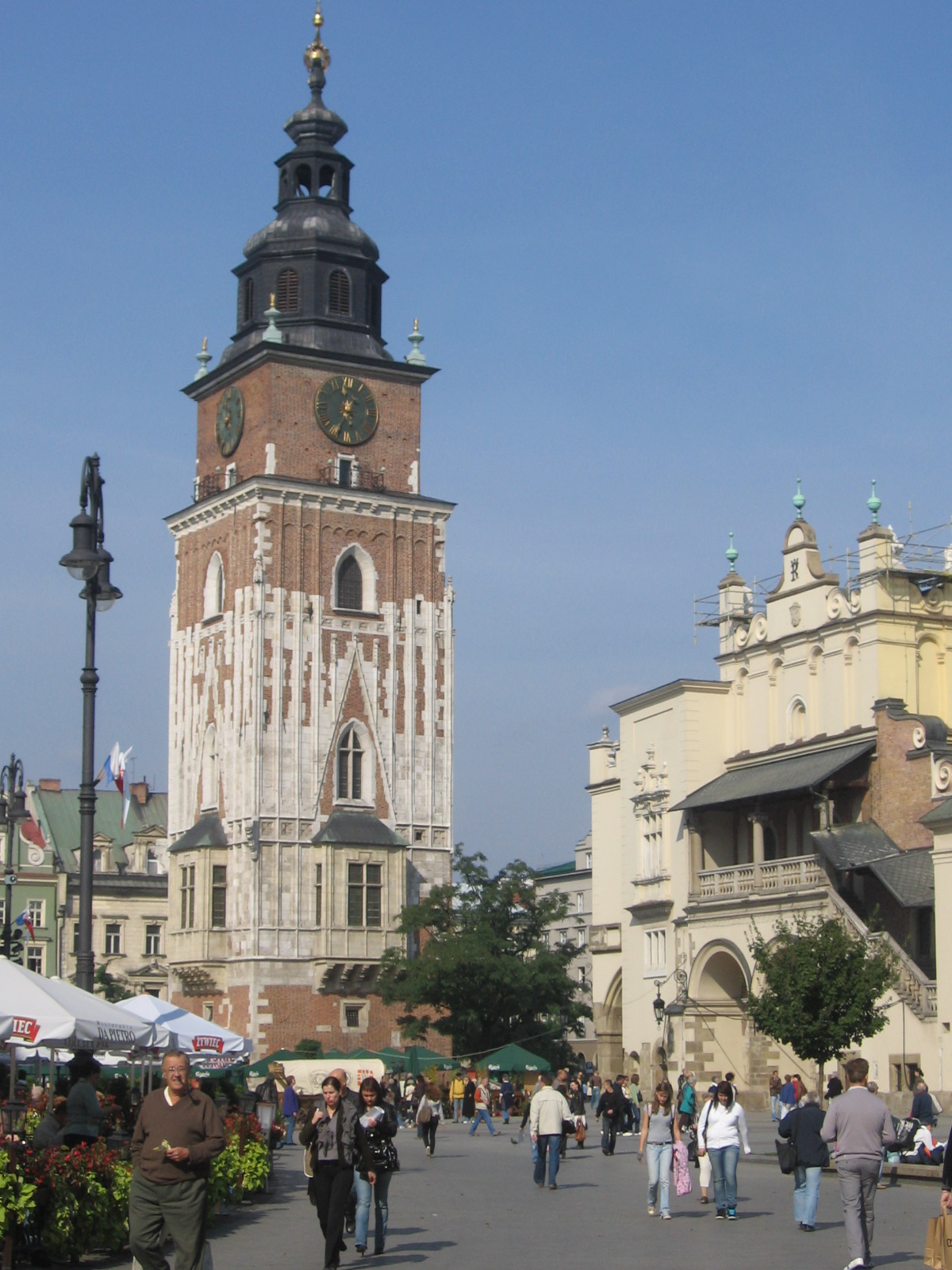
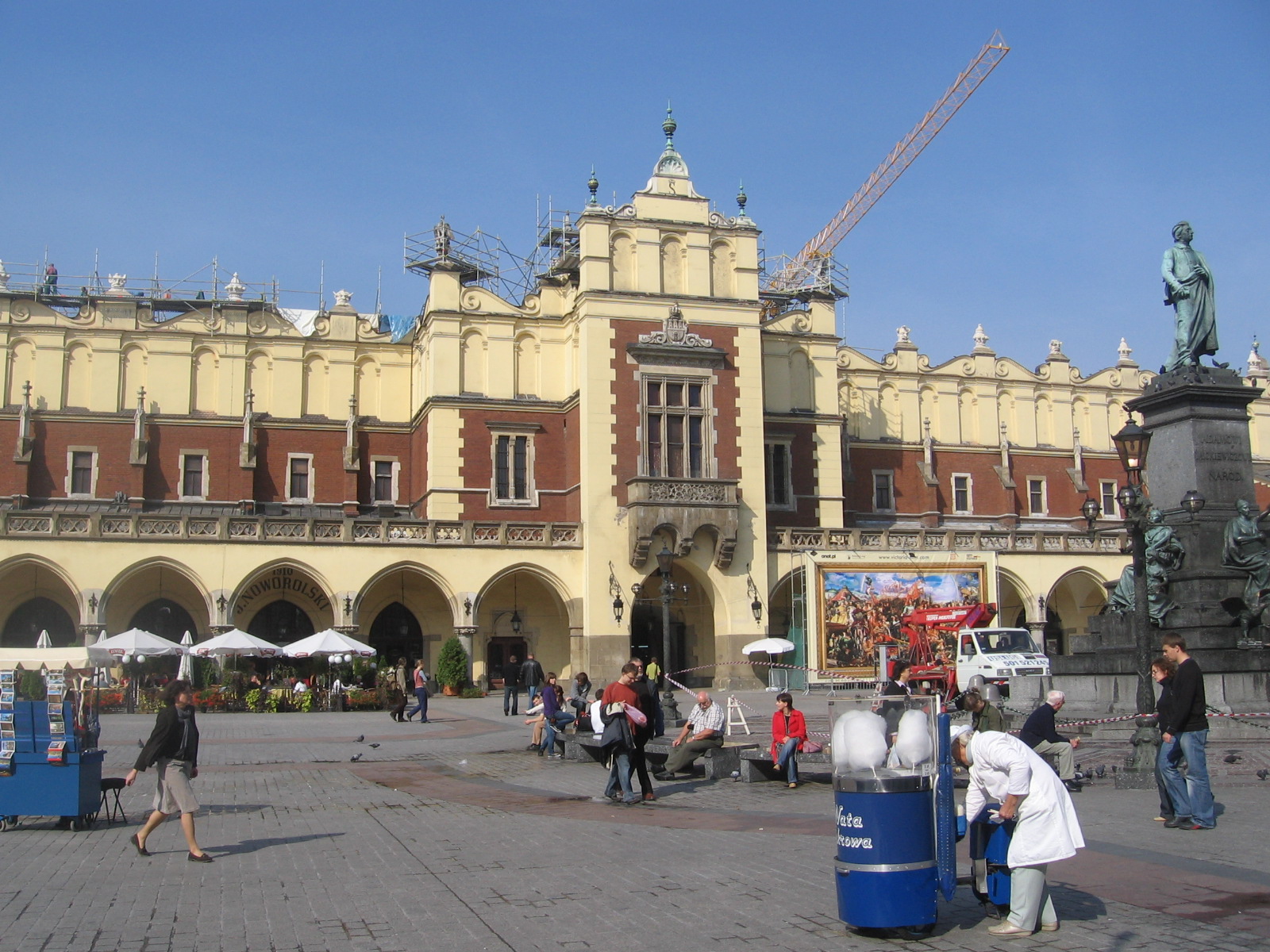
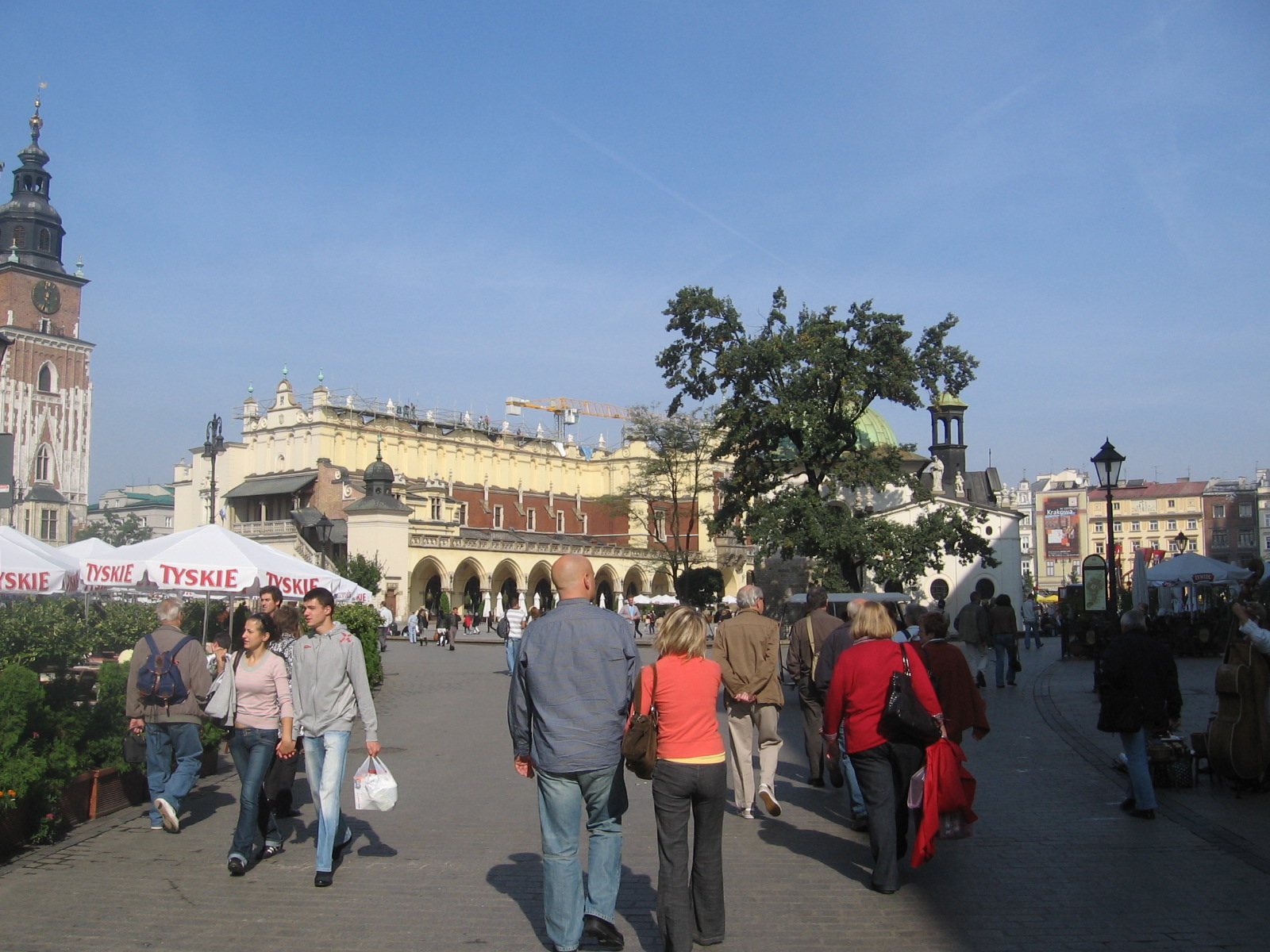
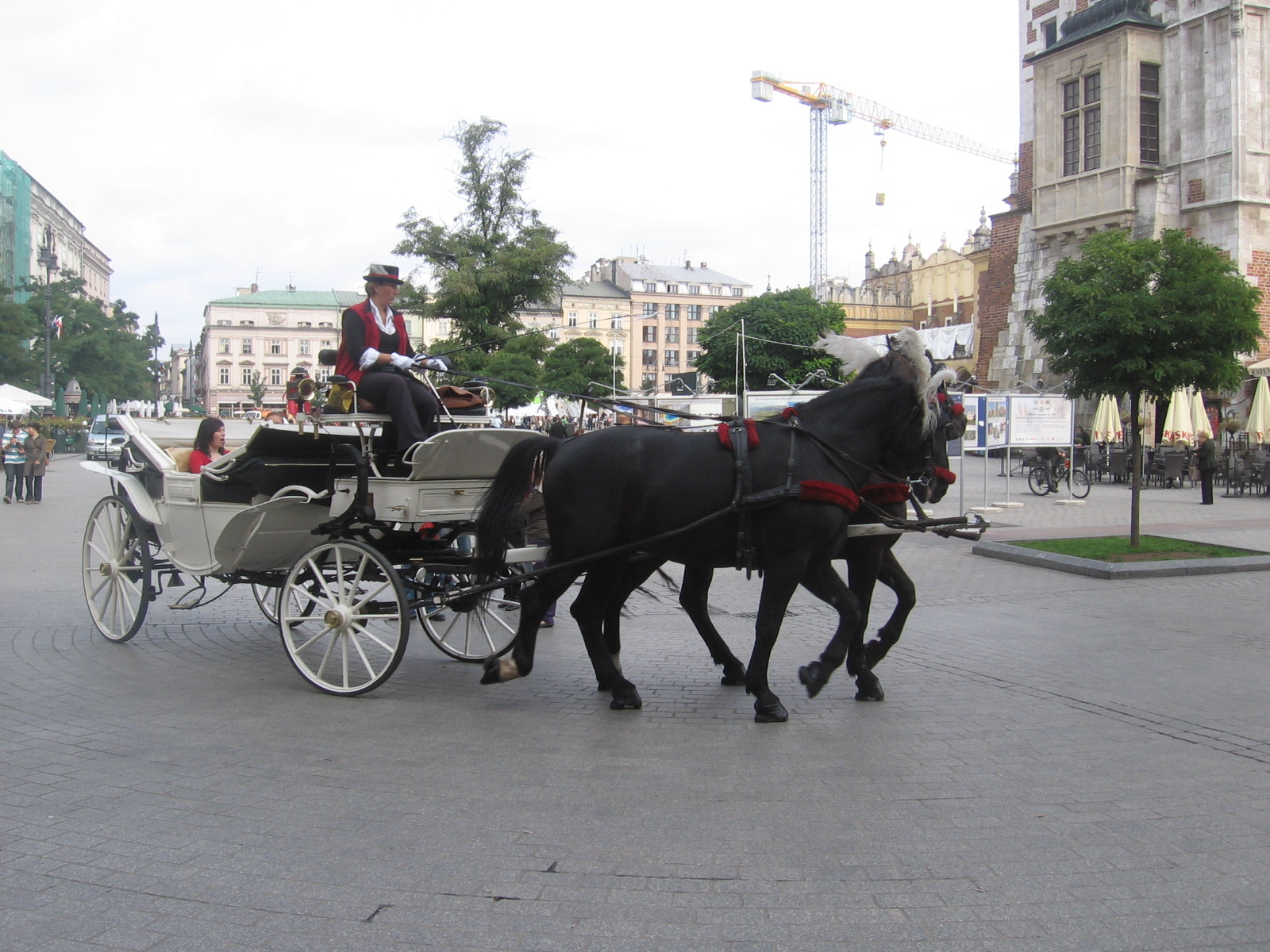
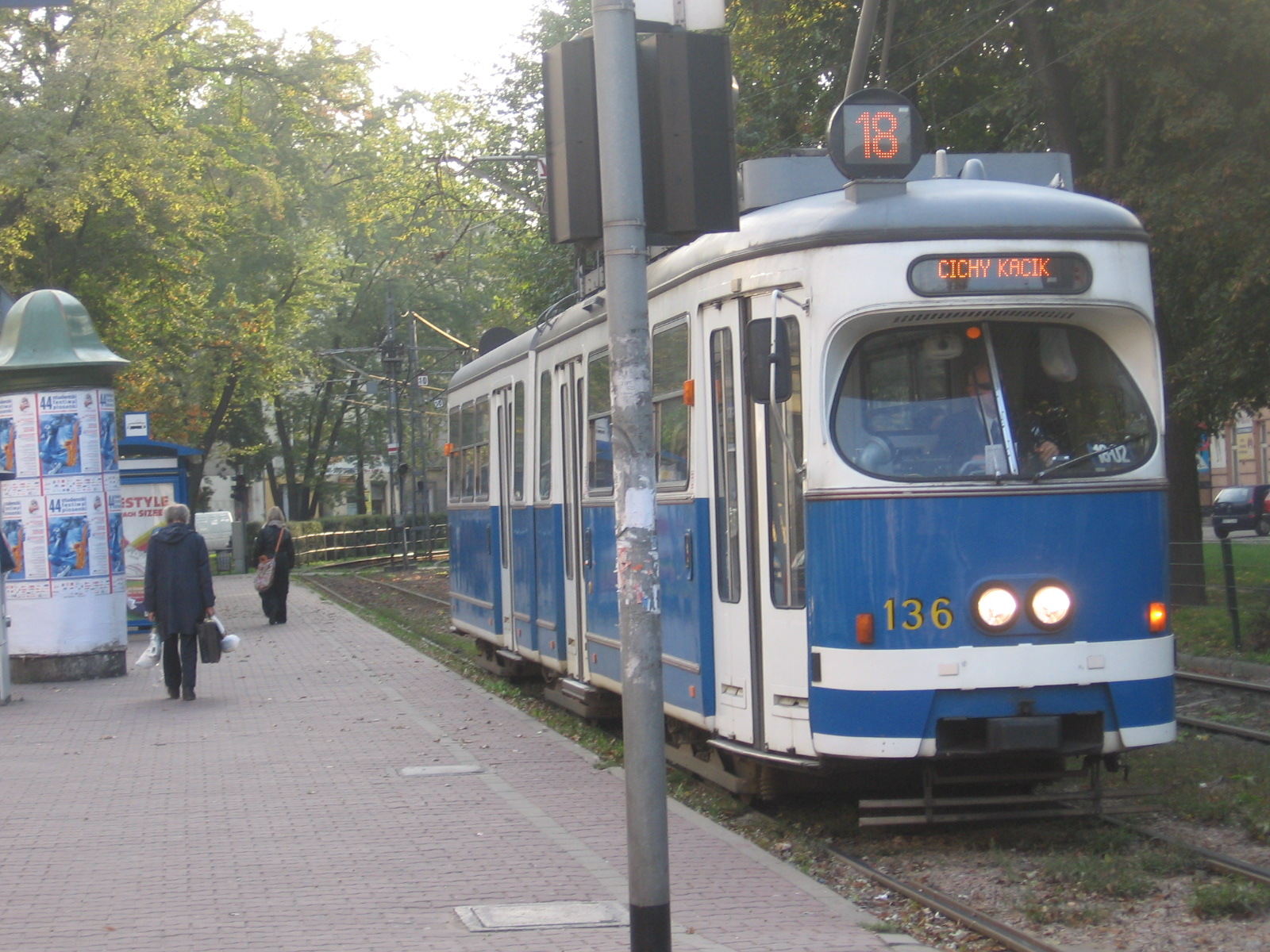
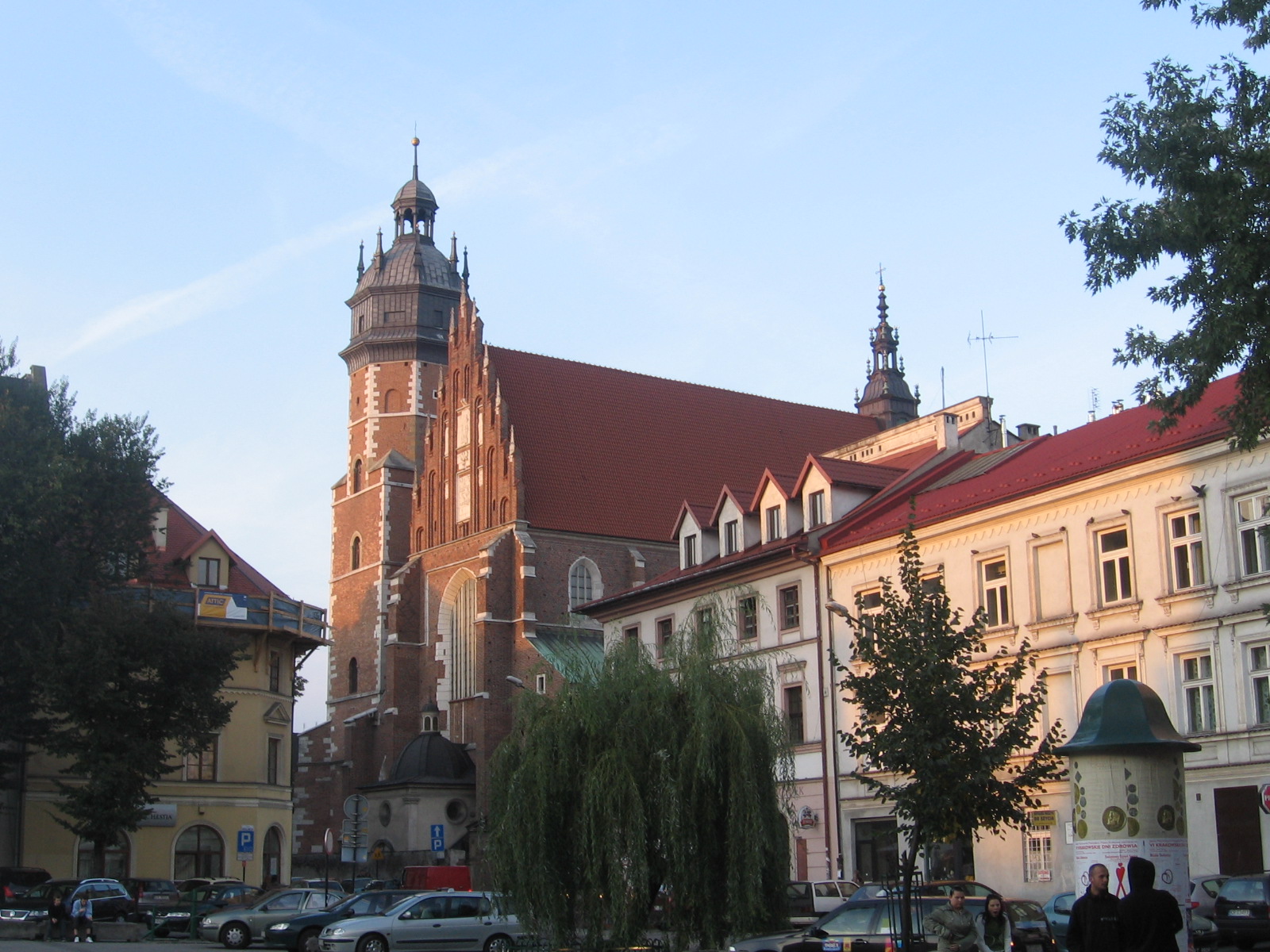
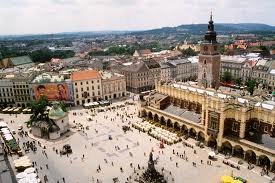
These five pictures were all taken around Krakow’s market square.

Krakow is a relatively small city and retains an old world quaintness to it.

The square show here played a prominent part in the movie “Schindler’s List.”  It is the location shown where the Germans first rounded up the Jews and had them register.

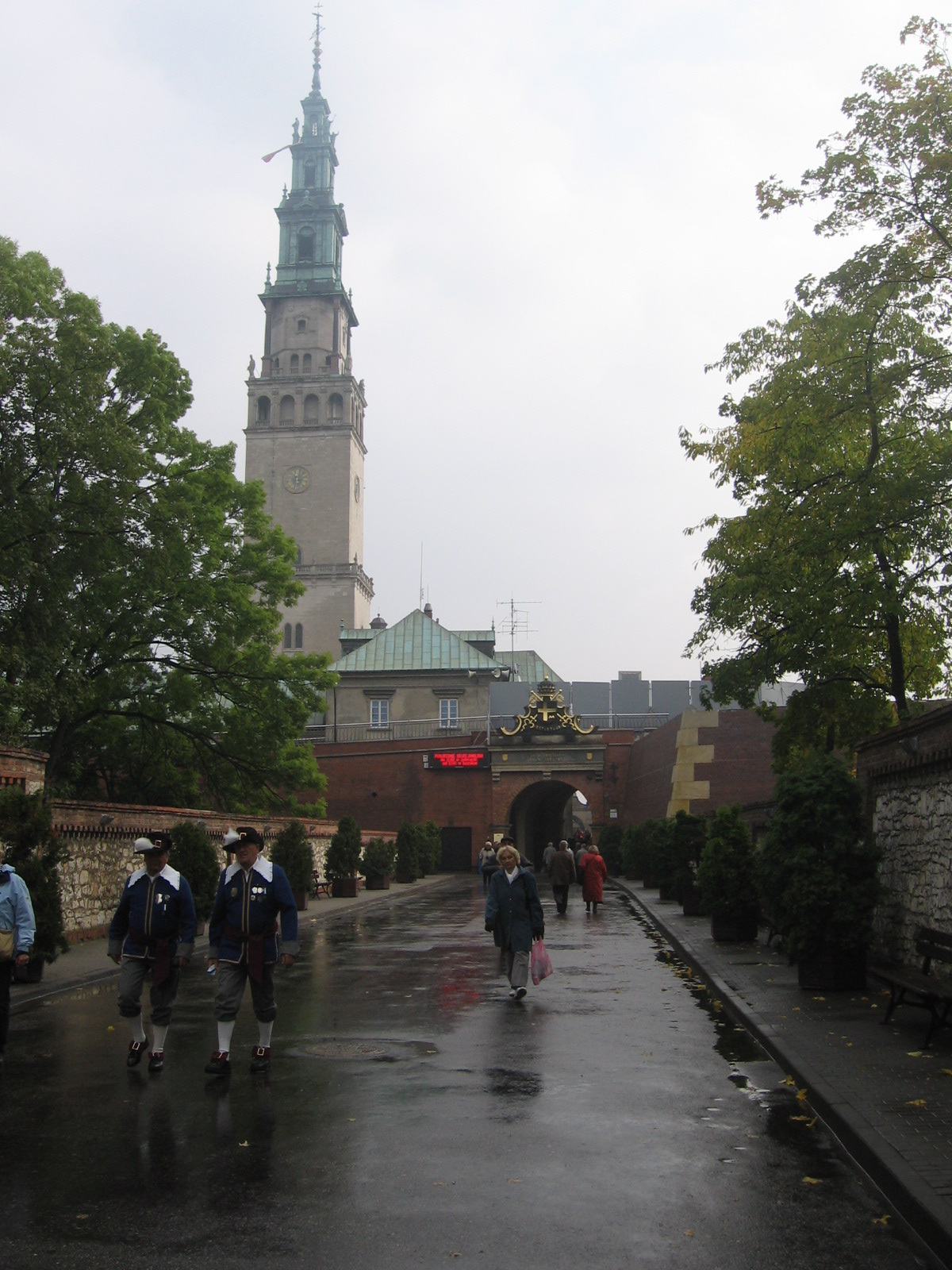
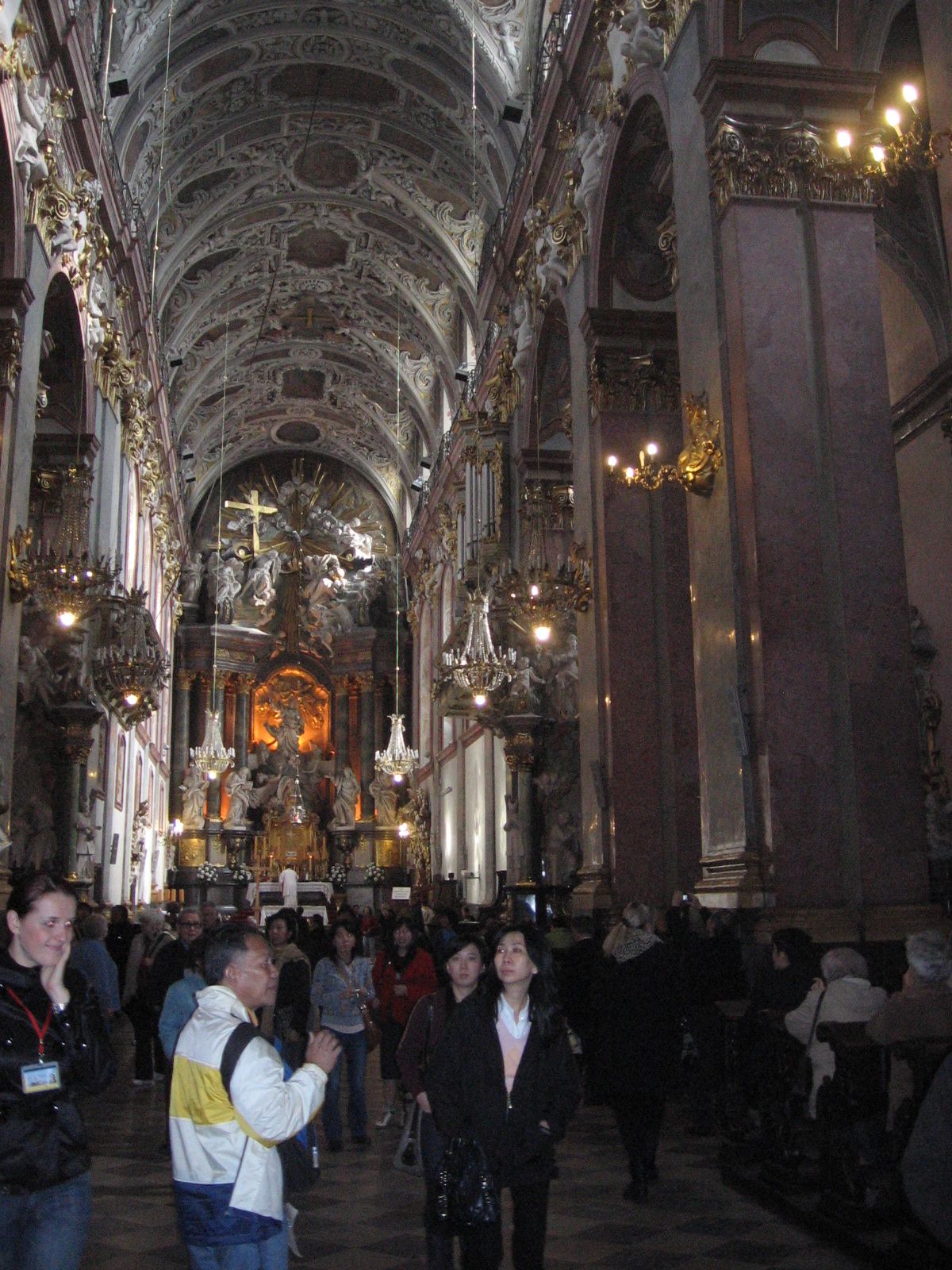
About 50 miles west of Krakow is the city of Chestohova.  The city is the location of the painting named “The Black Madonna” revered in Poland.  The church where the painting is located, shown above, is a destination for Polish Pilgrims.

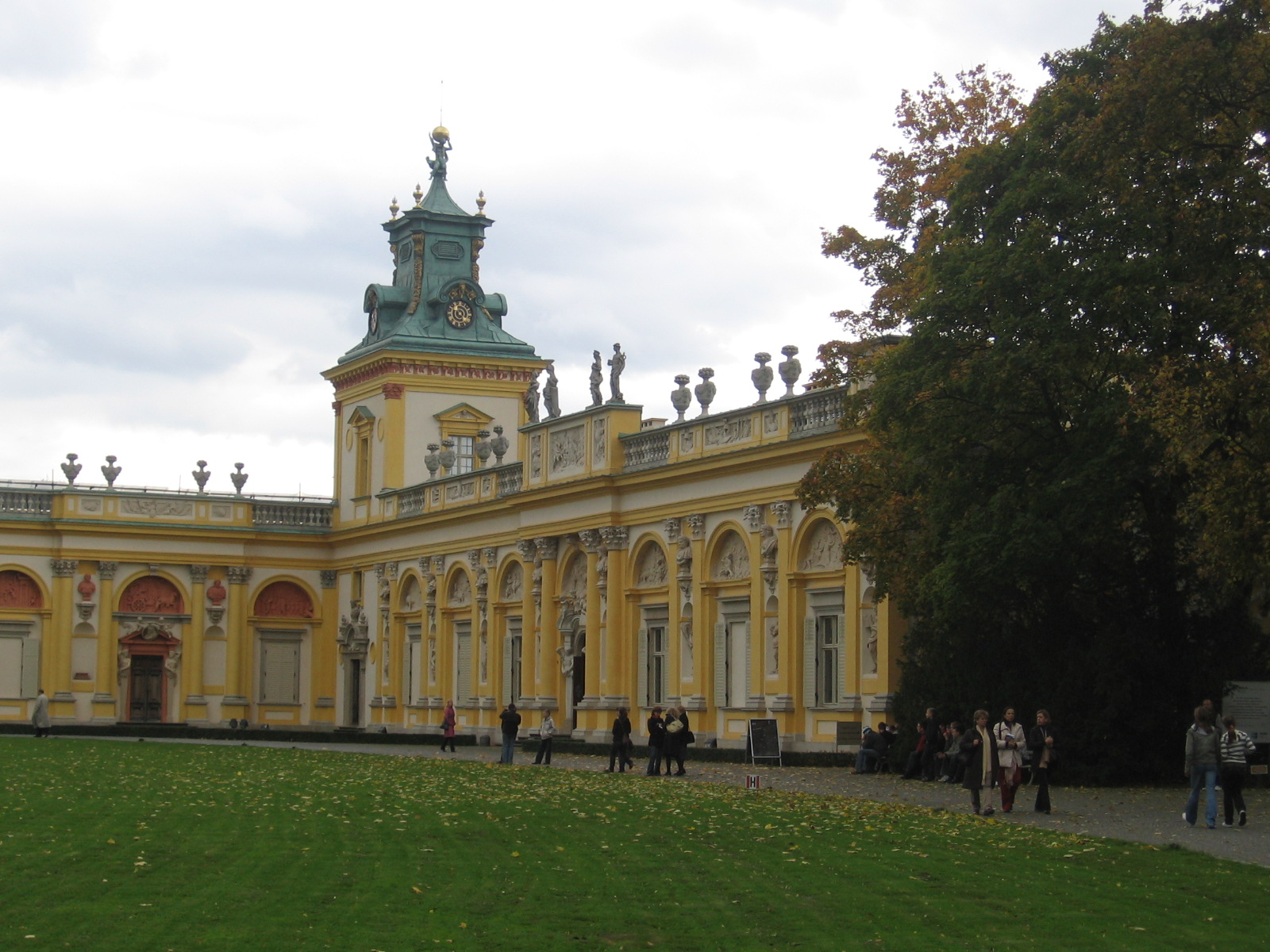
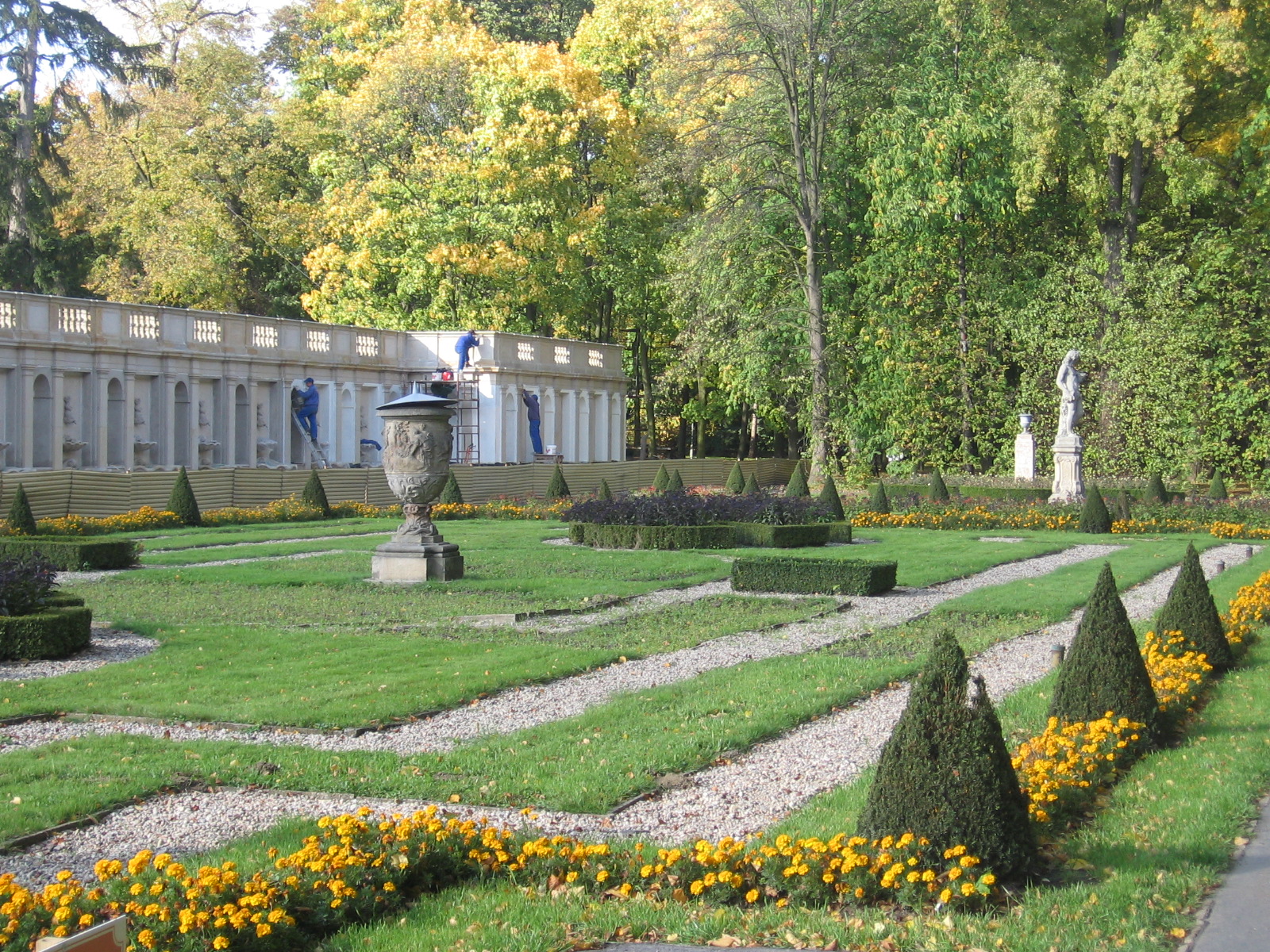
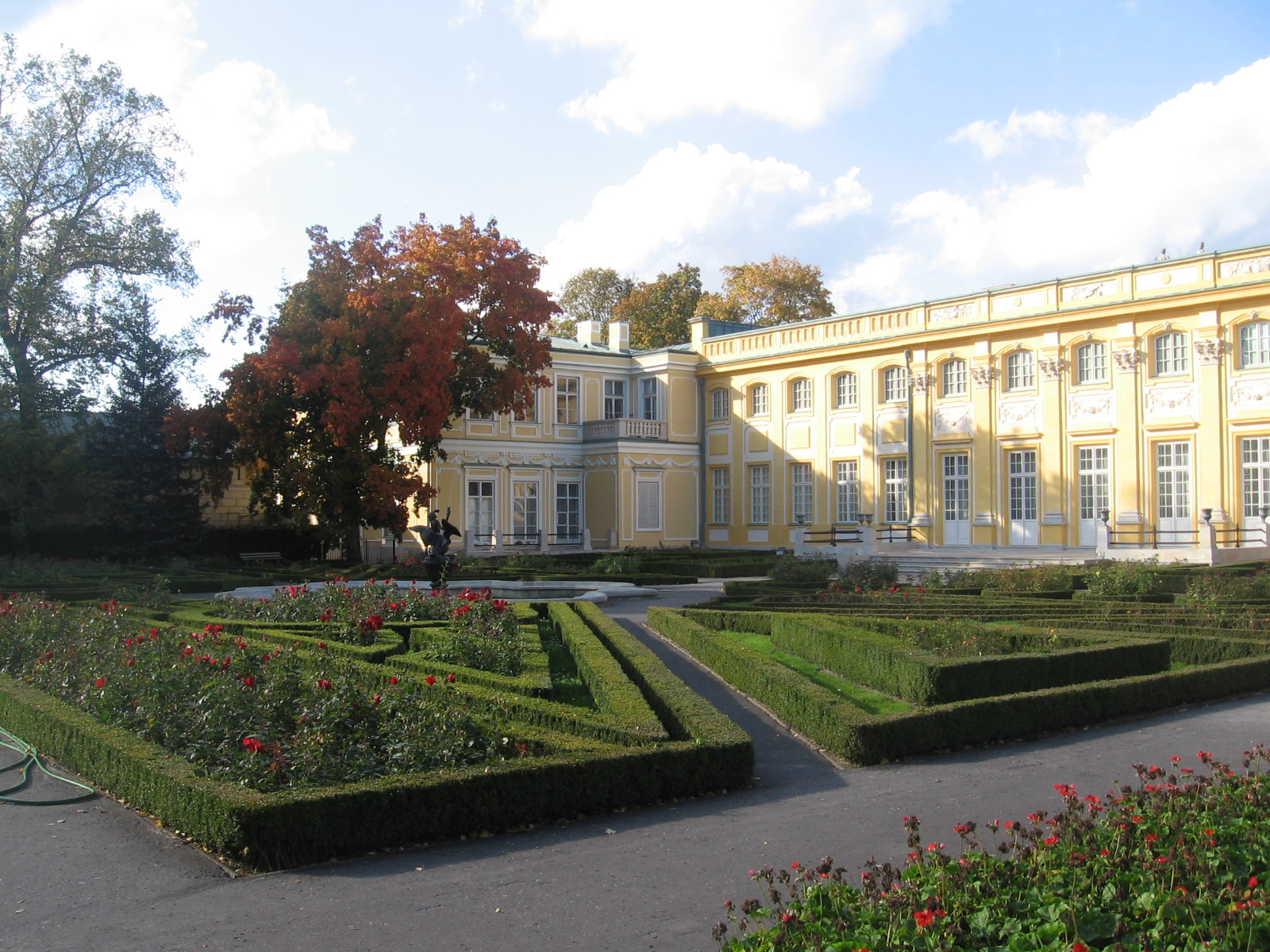
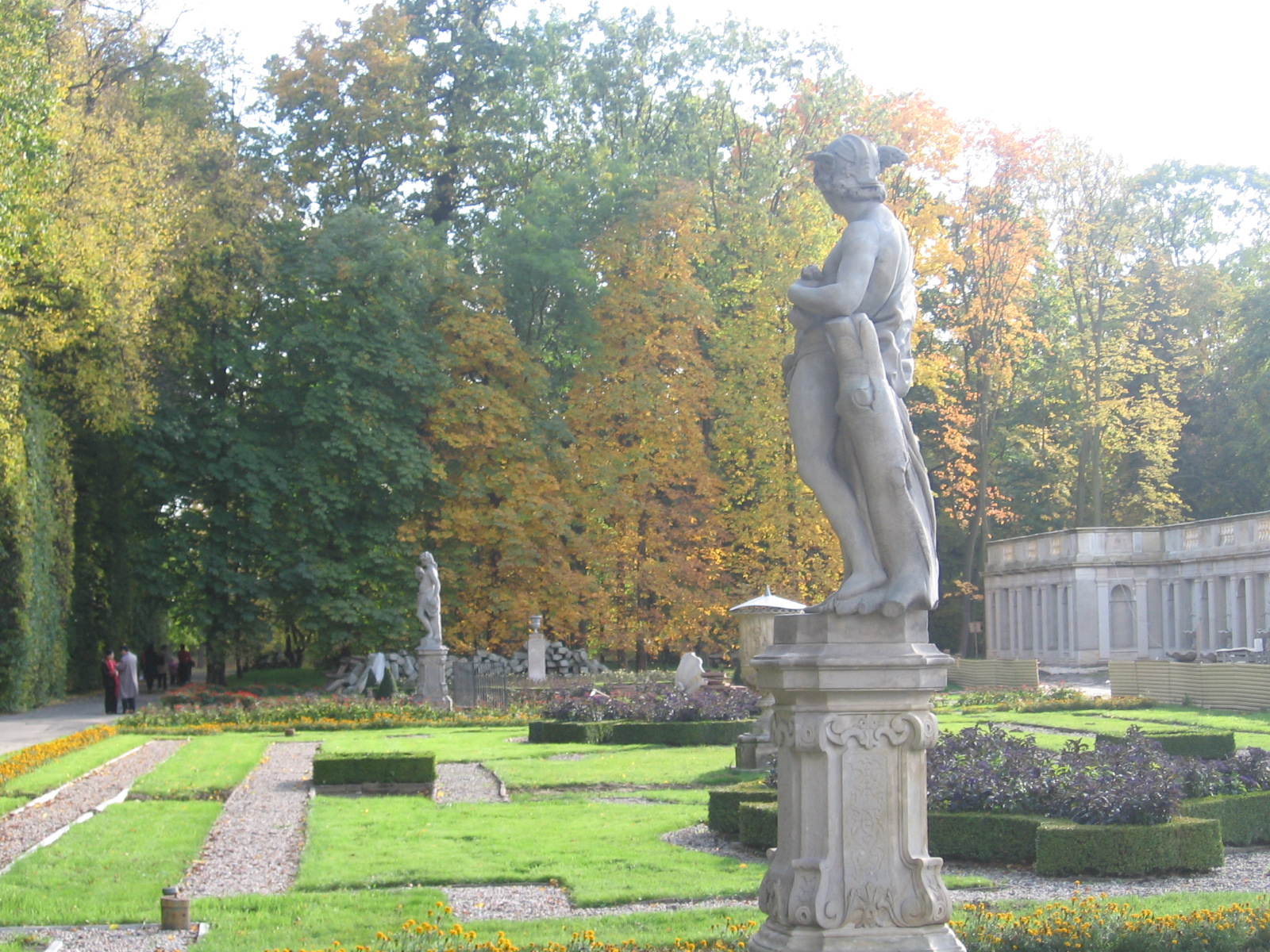
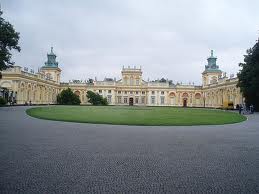
Finally, back in Warsaw, we have the beautiful building and grounds of the Wilanow Palace.  The palace dates back to the 18th Century.  Its interior is a veritable museum of art.  It is also the location that the “Warsaw Treaty” was signed at the end of World War 2.

I have been able to show only a few of the many pictures I took during my two weeks in Poland.  I could have, and should have, taken many more.  There is something in Poland to appeal to everyone.  If you like food you will love Poland.  The Polish cuisine is excellent and there are no shortages of restaurants that serve excellence Polish food at very reasonable prices.

The Polish people were consistently friendly and, for the most part, those we needed to interact with spoke reasonable good English.  I give my visit to Poland 5 stars!  I had absolutely no complaints and enjoyed every single minute of my stay there.

Ten Places To Visit You Have Probably Never Considered


These are ten places I have been to that seldom make it to an American tourist’s itinerary.  I have been to all these places and cannot recommend them highly enough.

1.  Damascus Syria — Damascus is one of the oldest continuously inhabited cities in the world.  It is huge in the Moslem world but it also has much Christian history attached to it.  The picture below is of one of the main mosques in the city.  But if you look closely you will see that it resembles a cathedral, which it was.  The cathedral was built by the Crusaders but when the Ottoman Empire moved the Christians out it retained its status as a holy place.

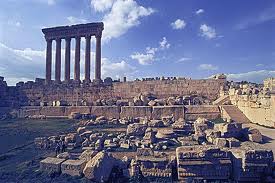
2.  Baalbek Lebanon — Lebanon  was once a destination for French tourists.  Beirut is a beautiful city with very friendly people.  The ancient town of Baalbek sits northwest of Beirut.  The picture below shows the remains of the temple of Baal, the Phoenician sun-god.  The Greeks and Romans also built temples on this site dedicated to their sun-god.

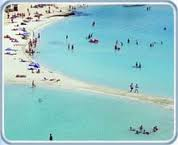
3.  Cyprus — Cyprus is an island at the eastern end of the Mediterranean.  It has endured centuries of fighting between its Greek and Turkish inhabitants.  Still, it is a place of beauty and great historical importance.  Cyprus is the location of Othello’s Castle as told by Shakespeare.  The picture below is of one of the beaches on the north coast of Cyprus.

4.  Warsaw Poland — Warsaw is a city rich in Polish, and European, history.  Its people are very friendly, its food extremely good, and its prices very reasonable.

The picture below is of a street called Nowy Swiat and is typical of many Polish streets.

This is a picture of Market Square in Warsaw.

This last picture is of the Wilanow Palace in Warsaw.

5.  Porto Fino Italy — Most people who visit it visit places like Rome, Venice, Florence, and Naples.  But Italy has hundreds of other cities that are great destinations.  Chief among these is one well-known to Europeans, Porto Fino.  Porto Fino is a small city south of Milan that is a hideaway for European millionaires.  This is a place where seeing the large yachts of the wealthy and the super-wealthy is not at all unusual.  Even so, reasonably priced accommodations are not difficult to find.

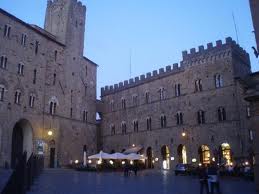
6.  Volterra Italy — Volterra is a small  town located in the central Italian mountains.  Its 13th Century center remains virtually unchanged since it was built.  Extremely narrow street defy the use of automobiles in them.  Volterra is also the site of a first century Roman amphitheater.

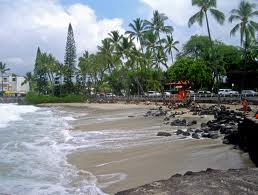
7.  Kona Hawaii — When visitors to Hawaii decide to go to other Hawaiian Islands they make Maui, Molokai and Kauai their prime destinations. But the largest island of the chain, known as the Big Island of Hawaii, offers everything any of the other islands have and more.  For people visiting the big island Kona is the city where you want to stay.  It is the second largest town, to Hilo, on the island but has a quaintness about it that is extremely attractive.  Not too far from Kona is one of the most active volcanoes in the world.

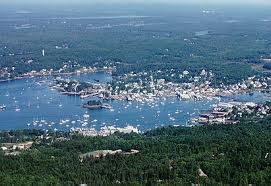
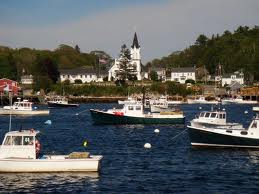
8.  Boothbay Harbor Maine — I have visited most of the seaside cities and towns on the Maine coast and I believe Boothbay Harbor to be far and away the finest of these.  Boothbay is a small town situated in mid-coast Maine.  It is at least half an hour from the nearest interstate.  Boothbay is rich with history surrounding ship building and fishing.  The town has any number of bed and breakfast houses which are virtually the only place you can stay there as there are only a very few motels.

9.  Monaco — When Americans consider what countries to visit in Europe, I doubt Monaco ever comes under consideration.  You cannot fly there, it does not have an airport.  The closest is probably Marseille France.  Monaco is a hidden gem.  It sits between the Alps and the Mediterranean sea.  You arrive there either by car or by train.  The city-state offers beautiful beaches, casinos, and an active castle.

10.  Krakow Poland — Krakow is the most ancient of cities in Poland.  Its history reaches back to the earliest of times in Polish history.  The city was amazingly untouched by World War 2, it was never bombed or even attacked.  It retains all of its old-world quaintness.  Its leisurely way of life is conducive to the most restful of vacations.  It is also home to Jaglonian University which dates back to the 14th Century.

Poland, the Best Kept Secret Destination


About three years ago I was looking for somewhere to go on vacation with my wife.  I really wanted to go back to Italy but upon looking at what it would cost for 2 weeks, I felt it rather expensive.  We have both been to Hawaii on numerous occasions, so that was not something to consider.  Then I thought about Poland.  My wife’s family, several generations ago, emigrated to the United States from Poland.  I thought it might be an interesting destination so I researched it a little.  I found that we could spend 2 weeks in Poland for about half what Italy would have cost.  My wife was, of course, excited about going.

We flew out of Logan Airport on a Friday evening and connected through Frankfurt to Warsaw.  My first impression upon arriving at the airport was that Poland would be a stark former Iron Curtain remnant of the old communist regime.  The airport seemed to say that was still true.  It was a sunny Saturday afternoon and we go a cab to where we were staying.  I had found a place that looked pretty good and was centrally located.  It is called St. Andrews Residency.

This was the start of my transformation of thought.  We were greeted by an extremely pleasant young woman who welcomed us to St. Andrews Residency and to Poland.  She took us to the top floor and showed us where we would stay.  The best way to describe our accommodations is to say it is quite similar to a one-bedroom apartment.  It had the bedroom, a separate living room, a small kitchen, and a huge bathroom.  St. Andrews itself was small and I would guess it accommodated maybe 25 people.

The entrance to St. Andrews was off a small courtyard.  Diagonally across the courtyard was a terrific little coffee shop that also served a nice continental breakfast.  It was truly European at its best.

On Sunday were started our discovery of Warsaw by heading out walking towards Old Town which was about 2 miles distant.  The walk from St. Andrews to Novy Swiat, the street leading to Old Town, was a walk through what could have been any European city.

Novy Swiat is a busy two lane road lined with coffee shops, restaurants none of which were chains, several large churches, the University of Warsaw, the Polish Capitol buildings and finally Old Town.  This street was very clean and well kept.

The area around the Royal Castle had been completely destroyed during World War II.  It has been rebuilt.  Pictures of the castle and the buildings nearby allowed reconstruction of the area so that it looks almost identically as it did prior to 1940.  The beauty of that area is unparalleled.

On Tuesday we rented a car and headed out for Krakow.  Poland does not have a single super highway like we have here in the U.S. or that you find in Western Europe.  Still, there was a single two lane highway from just outside Warsaw to Krakow.  It took us most of the day to get there.

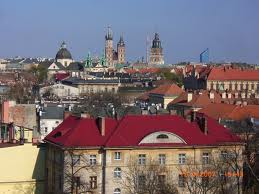
I had found a nice hotel in the Kazimierz section of the city.  This is the old Jewish section of the city and it is also where significant portion of the movie Schindler’s List was filmed.  Unlike Warsaw, Krakow went untouched by World War II and has fully retained its old world elegance.  Upon the highest point in the city sits the castle Wawel.  This is a 16th century castle where many Polish kings resided.  Like Boston, you can see everything on foot using a guidebook.  Not far from the castle is the Old Town district and Jagiellonian University.  One of the most famous graduates of Jagiellonian was Copernicus.

Even though our visit to Krakow was still early in our trip, we had already visited many Polish churches.  Any one of those churches would be called a cathedral in the U.S.  They all seemed to be very large and lavishly decorated in their interiors.  Each church had works of art lining the walls and gilded gold everywhere.  But in the Old Town Square there is the Church of St. Mary.  Mary is the Patron Saint of Poland and this is epitomized at this church.  It is one of the larger churches in Poland.  It is a 15th century gothic edifice whose beauty is unparalleled.

On Thursday we left Krakow to return to Warsaw.  We left early, however, so we could visit the city of Chestahova.  This is a small city situated about 50 miles west of Krakow.  Its significance is that the church there hold a painting that is named “The Black Madonna.”  The Madonna’s face in this picture has darkened significantly since it was painted, and there a numerous purported miracles that have happened in its presence.  This has made visiting this church a pilgrimage for many Poles.

Back in Warsaw we continued our tours of the city seeing places such as the old Warsaw Ghetto where the Jews were held prior to their being moved to Auschwitz, about 30 miles west of Krakow.  We also visited the Park Lazienkowski in the heart of the city.  Once in this gorgeous park, the sounds of the city quickly disappear.  One of the first things you see in the park is a statue commemorating Fredric Chopin who was born in Poland.  The park is also the location of the Palace on the Water.

On our final day before we departed we visited the Wilanow Palace and Park.  The palace is also known as Villa Nova.  It is a 17th century palace where the infamous “Warsaw Pact” was signed.  But more than that, the palace itself is of particular beauty and is surrounded by many gorgeous gardens and grassy walkways.

The only bad meal we had during our entire stay in Poland was when we went to a restaurant that was trying to be American.  It’s about what you’d expect in an American fast food restaurant.  The Polish food was delicious and the service in every restaurant was always great.

We found the Polish people to be exceptionally polite and friendly.  We did not have a single negative encounter.  That is unless you count the woman in the National Museum in Warsaw who got angry with me because I was using a flash on my camera!  There were no signs saying no flash pictures but I really should have known better.

Two weeks in Poland was not nearly enough time for us to see everything we wanted to see.  I cannot recommend a trip to Poland enough.  The entire two-week trip cost us about $5000 which included everything.

It would have been easy for me to have written at least 4 times as much as I have.  I recommend that anyone interested simply look up some of the places I have mentioned on the Internet and you will see what a great country this is to visit.   I would go back to Poland in a heartbeat and it is number one of my list of places to go even now.